
Search
What is an in-house movement?
Various
What is an in-house movement?

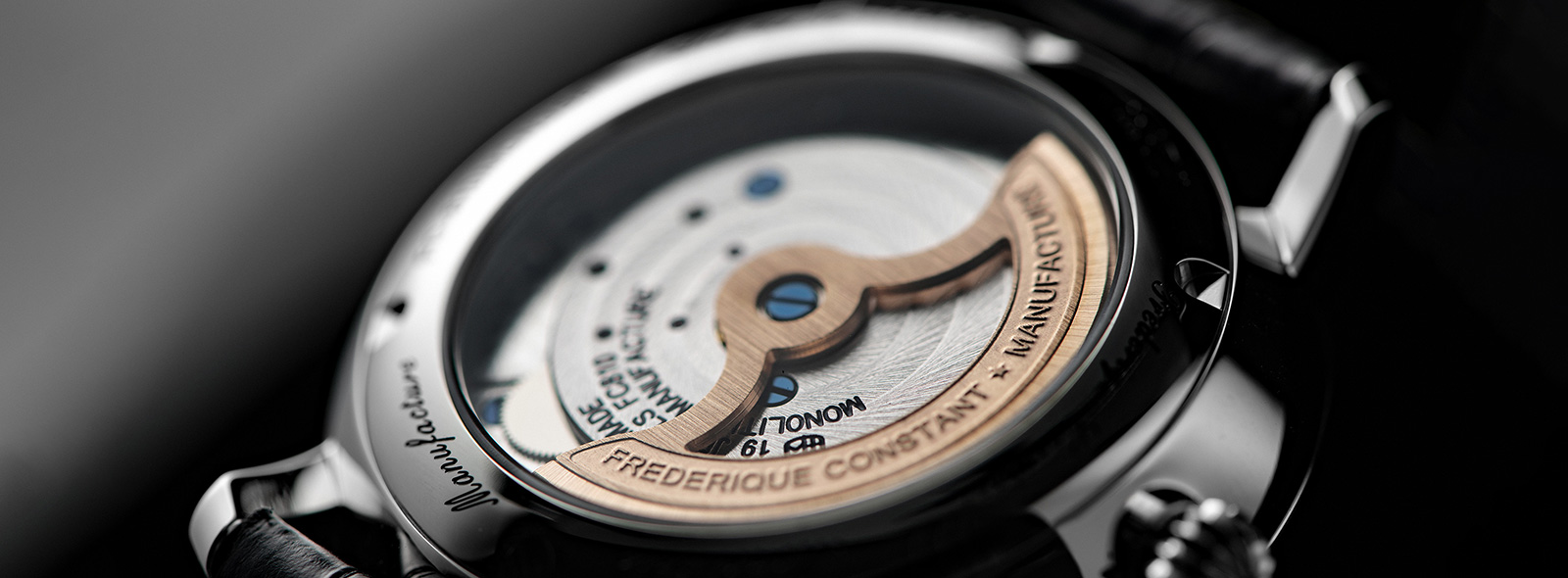
The word 'manufacturer' evokes positive connotations of tradition and prosperity. It means a thriving company producing quality goods on a large scale. Despite the fact that the word 'manufactory' might sound old-fashioned, this is how many watch brands would like to be referred to. Why? In the past, the typical manufacturer was a single skilled artisan who produced quality goods manually. With the introduction of new technologies, the number of the produced goods significantly increased and, as a result, manufacturers made the shift to mass production. And what is a manufacture movement? Generally speaking, a manufacture movement is an in-house movement, i.e. the one that is exclusively made, developed, and assembled by the watch brand using it. Many watch brands don't decide to develop and assemble their own movements because it takes an insane amount of time, money and resources. Instead, they buy them from external suppliers. The crux of the matter, therefore, comes down to the question of whether the calibre is in-house or outsourced. Let's take a closer look at the subject of in-house movements.
The cost of manufacturing an in-house movement
Producing a calibre requires, first of all, the purchase of special machines for a significant amount of money. Secondly, it's important to have an experienced team of specialists who possess the necessary skills to best assemble the movement. Unsurprisingly, there are far more watch companies than manufacturers producing in-house movements.
Is the use of an in-house movement always sensible?
From the customer's perspective, a watch with in-house movement is synonymous with prestige and high price. From an economic point of view, companies offering technically uncomplicated and affordable timepieces shouldn't produce in-house movements. Simply because this would be financially and organisationally unviable. Therefore, some brands rely on specialised producers and suppliers such as ETA, Selita or Ronda.
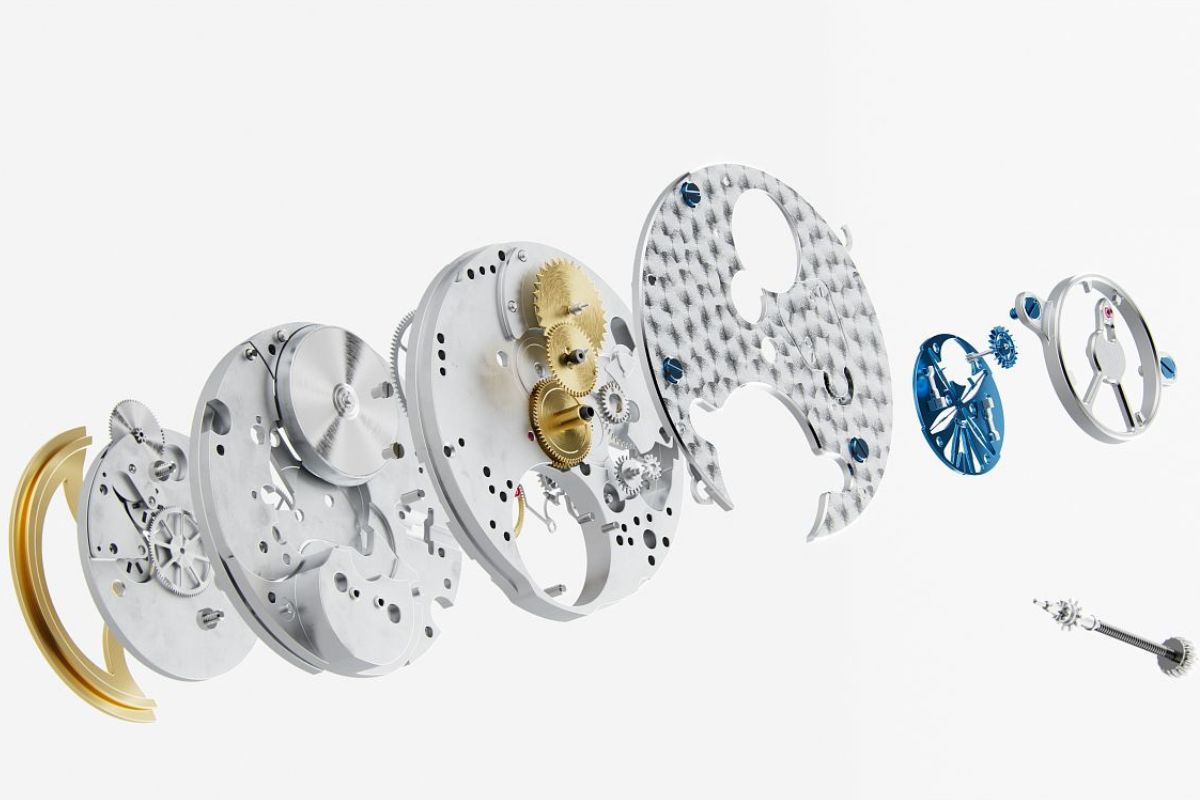
The reduction of ETA movements gives rise to the production of in-house movements
It turns out that the world of watch movements has never been black and white. During their production, more often than not, companies have joined forces to create new calibres together. Companies often agreed to merge their capital and exchange employees. However, the constant development of the watch industry made more than one issue less obvious than in the past. A significant change in the market took place when Swatch Group-owned ETA, the luxury watch industry’s most relied-upon movement supplier, started reducing the supply of its movements to many watch brands outside the group. This led many companies to develop their own calibres. In the long term, the industry seems to have benefited from this move as today there is a wide range of movements available. Besides, many of the most popular calibres are decades old. Since their patent rights have expired, anyone with technical skills can legally produce them. Many renowned brands, e.g. Breitling, used outsourced movements until a few years ago, and relatively recently have actually developed their own calibres, which are usually only used for flagship models.
Manufacture movements
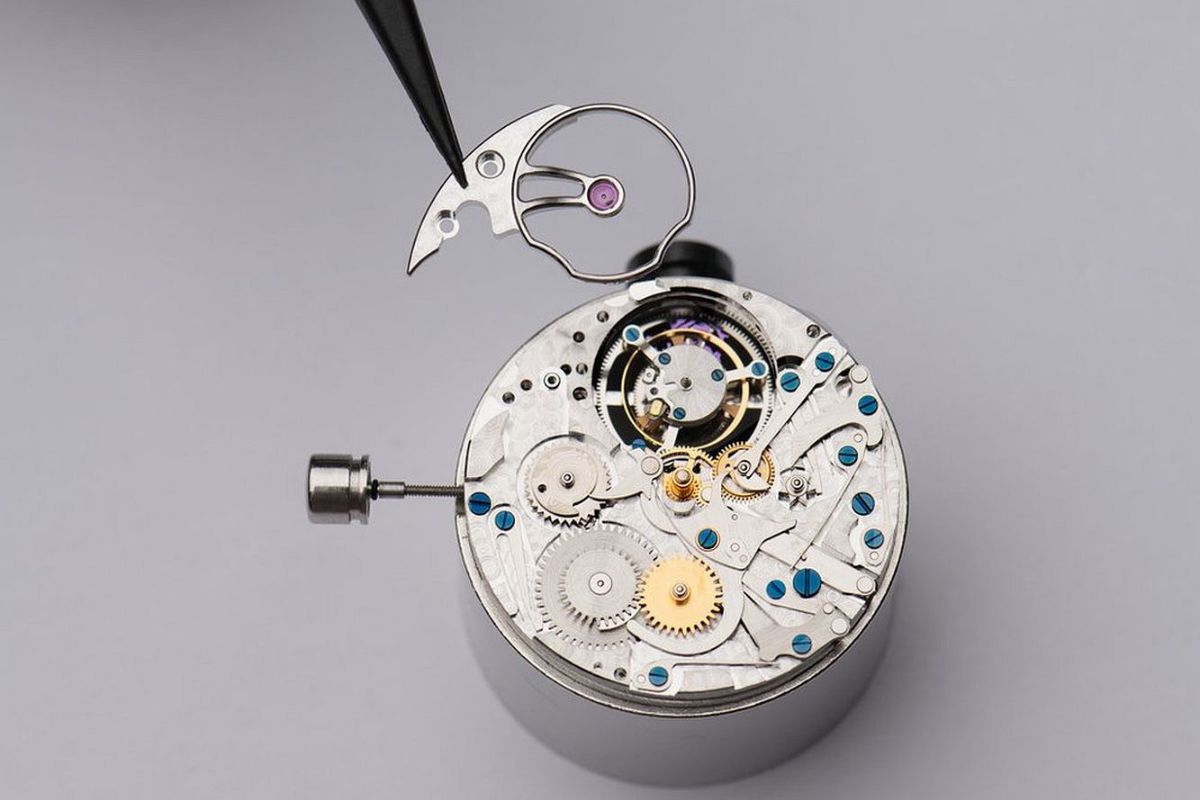
So, what companies use manufacture (in-house) movements? This group includes large and renowned companies such as Patek Philippe, Jaeger-LeCoultre, A. Lange & Sonne or Vacheron Constantin. These companies have their own proprietary solutions that are usually not available to other brands. Niche manufacturers offering luxury watches also produce their own movements, but their number is much smaller (limited to only a few hundred a year).
In-house movements
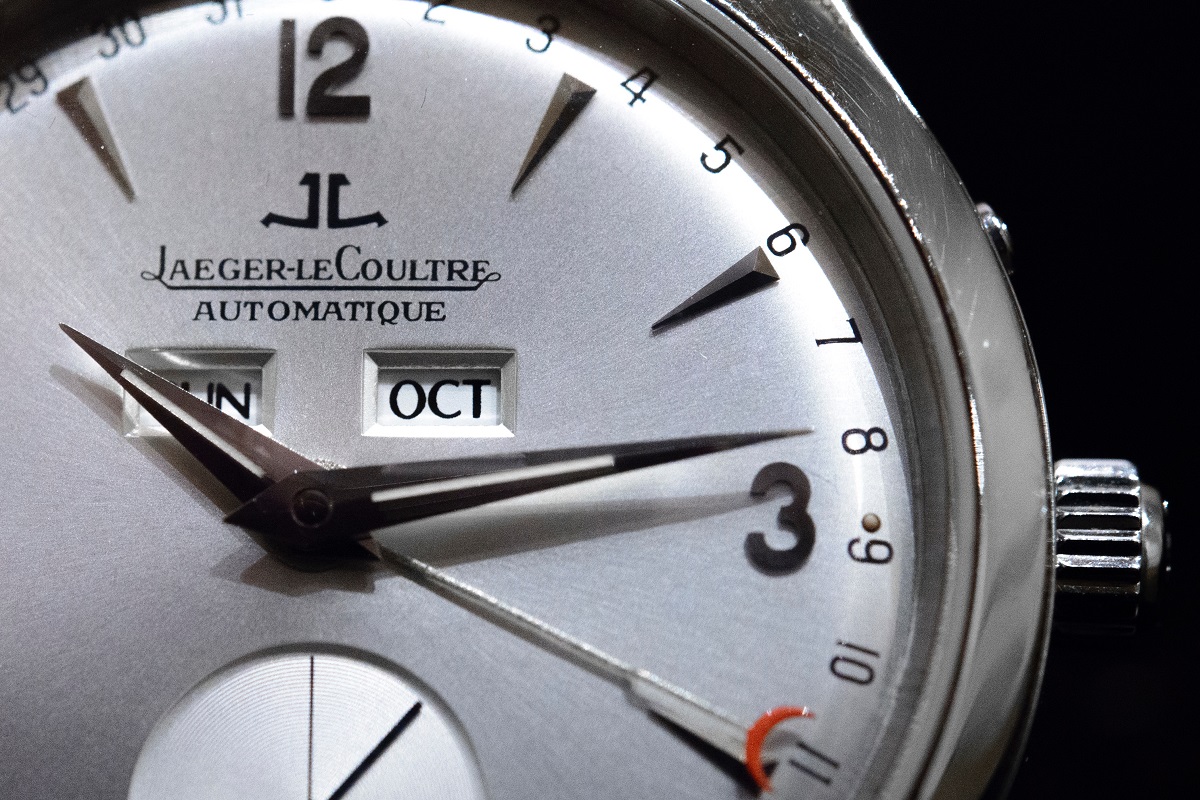
There are companies like Vaucher, Concepto, La Joux-Perret and Chronode that not only offer first-class calibres, but they are also able to produce specially tailored and even bespoke watch movements. Using the services of such a company can be very beneficial from a financial and non-financial point of view as you don't have to buy special machines to get something original and unique.
Unmodified movements
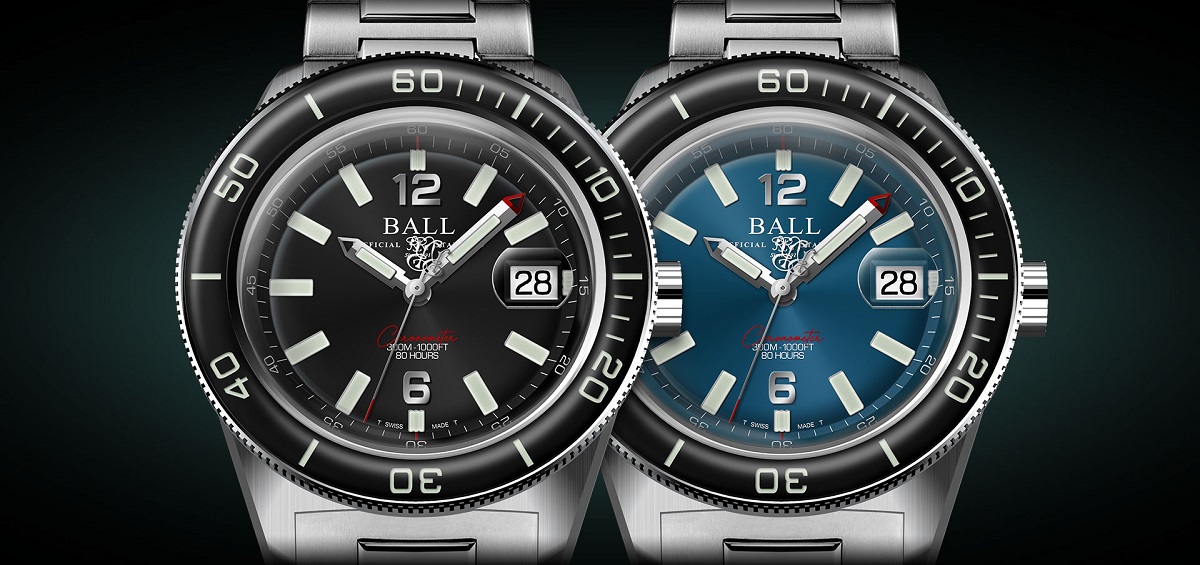
We use the term 'unmodified movements' to mean that a company uses movements from established procedures of calibres. The movements themselves are not modified (sometimes they are only decorated or completed with the manufacturer's logo). Unmodified watch movements are good quality products for a reasonable price.
Modified outsourced movements
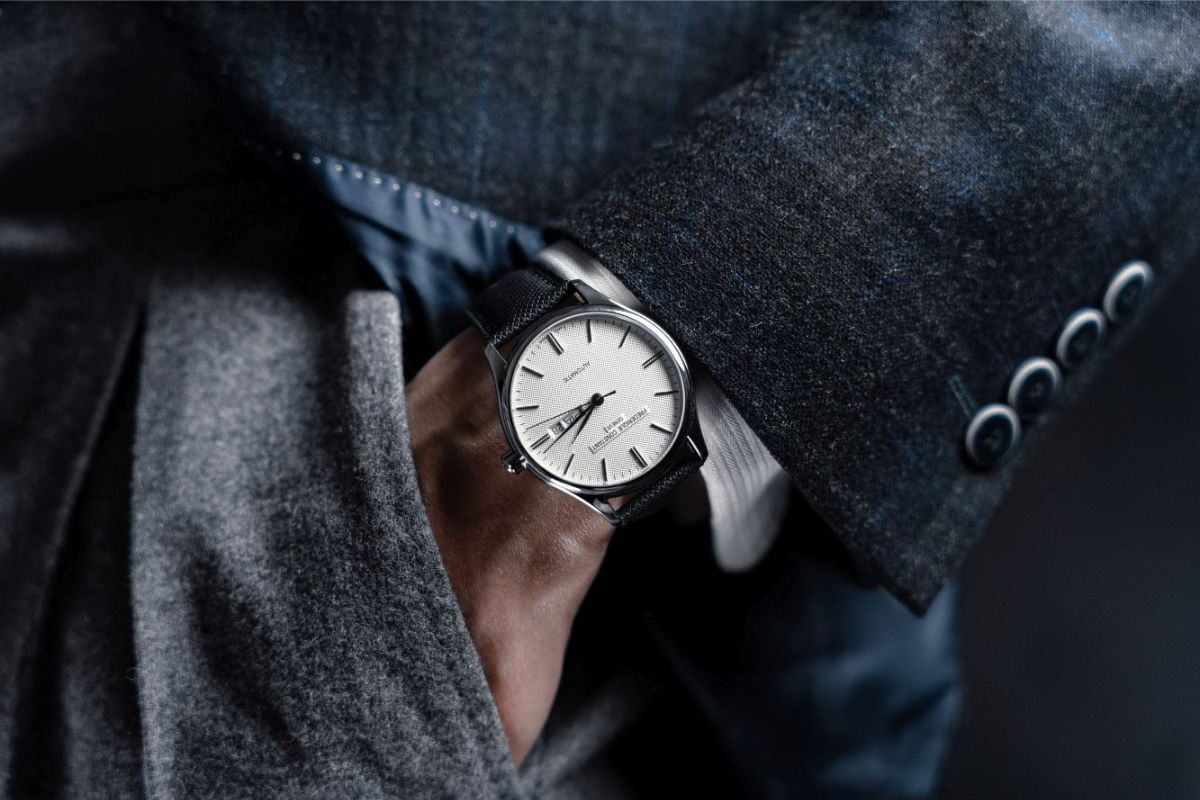
We use the term 'modified outsourced movements' to refer to brands that use ready-made movements (purchased from external suppliers) and then subject them to various technical modifications or surface treatments. There are also companies that specialise in creating additional modules with design complications similar to typical calibres. A variety of solutions makes this category quite complex. In addition, watch manufacturers usually prefer not to admit that they don't know how to produce something or that they are supported by other companies. This is why companies are usually quite vague about the origin of the movements used.
Historical movements
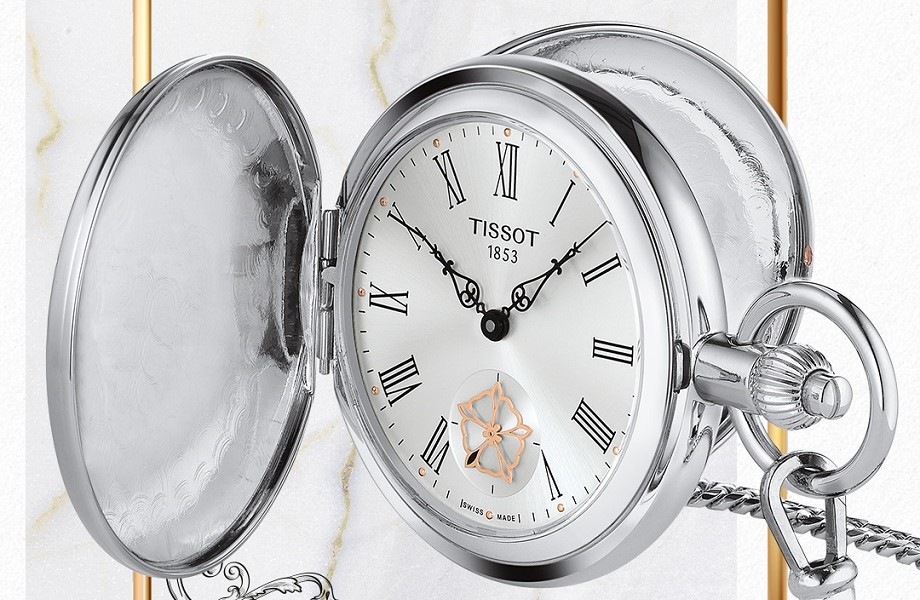
A little-known, but undoubtedly interesting idea is the use of historical movements (new, but often decades old). The availability of such movements can be traced back, for example, to the bankruptcy of companies during the so-called quartz crisis. The situation is different in the United States, where new calibres once used in mass-produced pocket watches are available. Thanks to that, we get a new watch with a historical soul from a company that may no longer exist.
A watch - something more than a movement
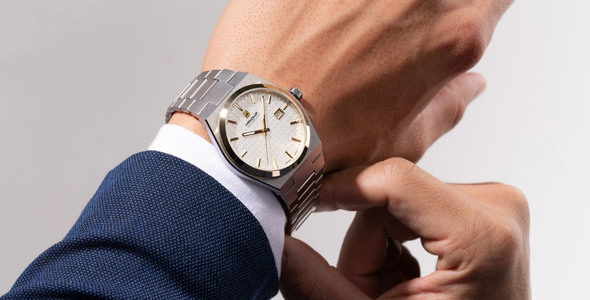
Keep in mind that there are also companies that make a conscious effort to distinguish themselves by design, style and the story behind them, rather than by the type of calibre. The movement is, of course, the beating heart of the watch, but it is not the only thing that matters. Other components of the watch, including a case, a dial and a bracelet are also essential. The same applies to the entire history of the brand or its founder.
Sign in
I'm new here
Why is it worth having an account?
Create an account
Why is it worth having an account?
The administrator of your personal data is the owner of the Watchard store, i.e. 57 Concepts Sp. z o.o. Sp. k. with the registered office at al. Witosa 31, lok. 115, 00-710 Warsaw, Poland. Providing personal data by the Customer is voluntary but necessary to complete the purchase. You have the right to view your personal data we have processed, as well as the right to request changes or removal of your personal data. Personal data will be processed for a period of 10 years.
Forgot Password