

Search
The differences between analogue and digital watches. Which one to choose?
Various
The differences between analogue and digital watches. Which one to choose?

Watches have for centuries been not only a practical tool for checking the time, but also a fashionable addition to our styling. Both analogue and digital watches are available on the market, differing not only in the way they display the time, but also in their functionalities. It is worth knowing the differences between these two types of watches in order to choose the one that perfectly suits our needs and preferences.
Table of contents:
- Classic elegance or modern functionality: choosing a watch
- Back to the classics. Analogue watches still on trend
- Advantages of analogue watches
- Disadvantages of analogue watches
- Electronic precision: discover the possibilities of digital watches
- The advantages of digital watches
- Disadvantages of digital watches
- Analogue watch versus digital watch
- Which watch to choose: analogue or digital?
Classic elegance or modern functionality: choosing a watch
Opinions on analogue and digital watches can be extremely different. On the one hand we praise the traditional aesthetics, on the other we appreciate the effort that has gone into the design of digital smart watches. What are the characteristics, advantages and disadvantages of analogue versus digital watches?
Back to the classics. Analogue watches still on trend
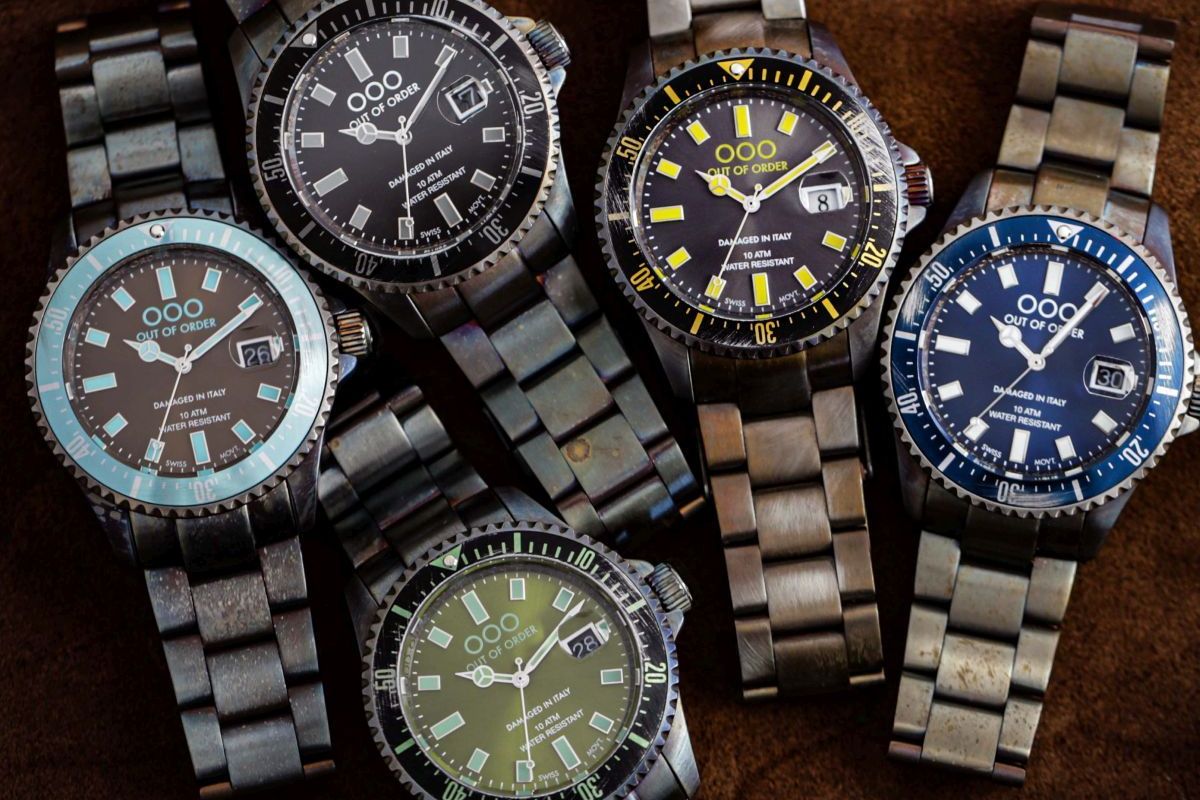
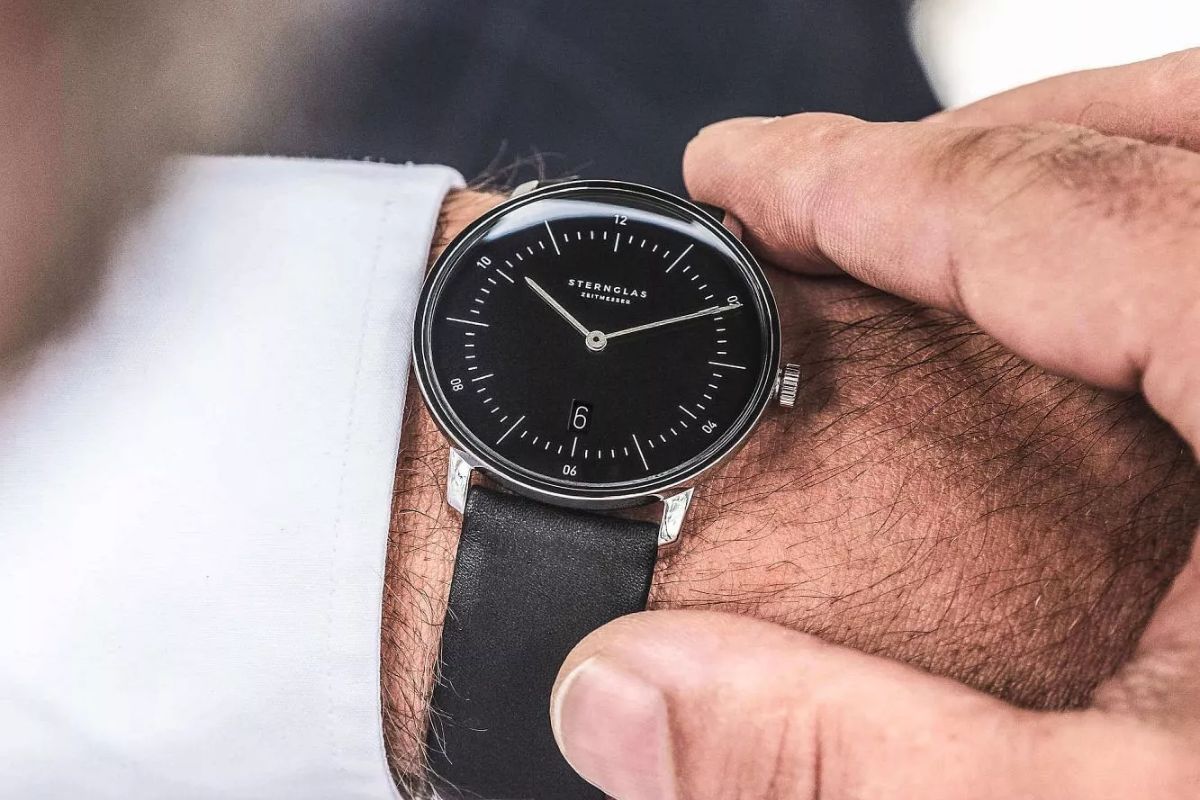
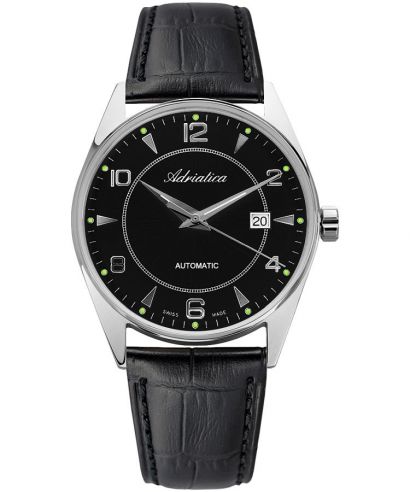
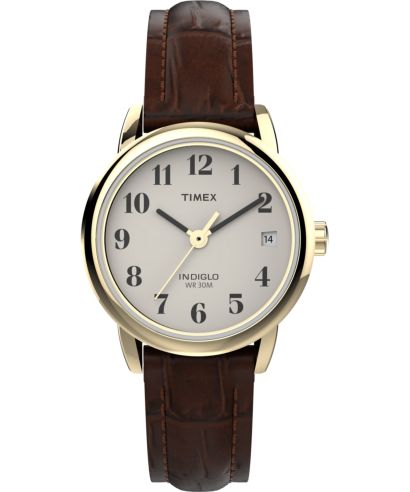
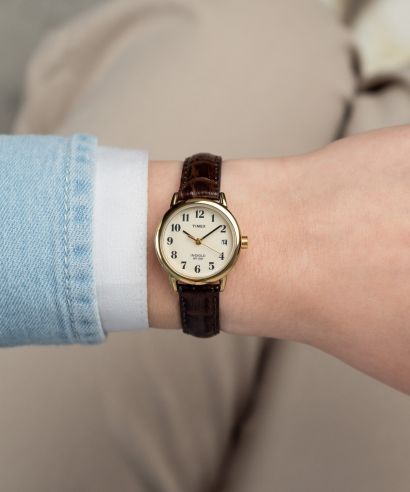
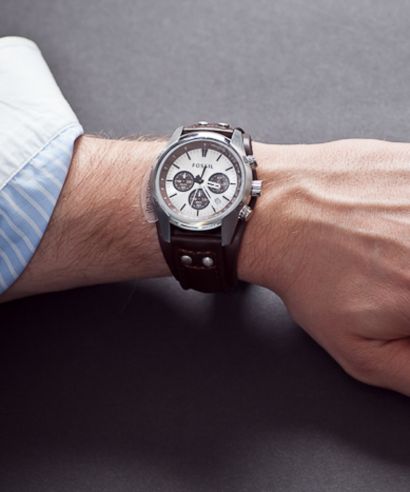
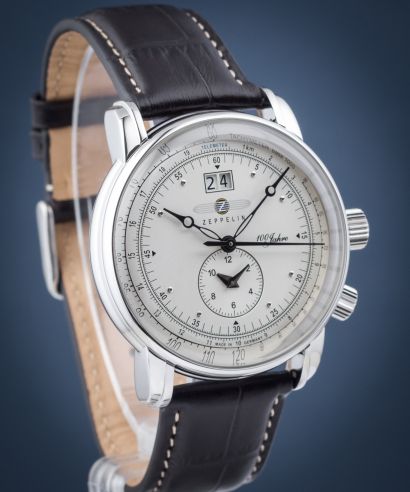
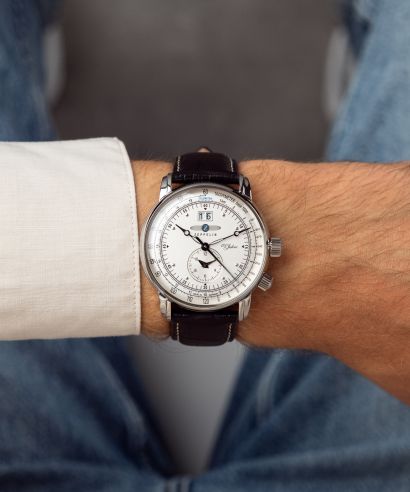
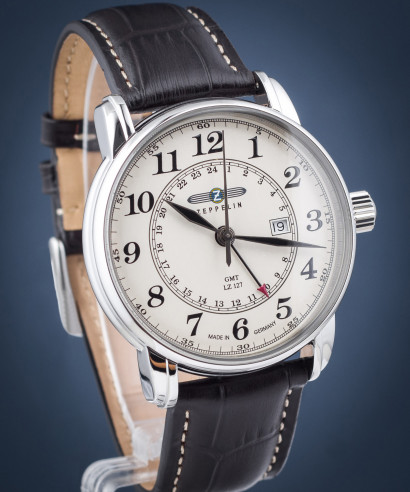
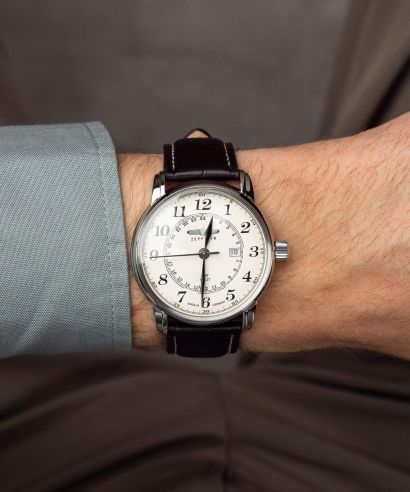
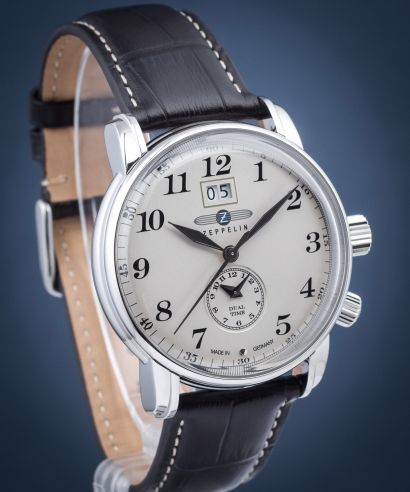
Analogue watches are designed with hour, minute and second hands. This design means that the watch makes the ticking sound of the seconds hand with every passing second. An analogue watch has indexes on its dial, which can take the form of linear, dotted, Arabic numerals, Roman numerals, Breguet numerals or decorative markers such as diamonds, zirconia or crystals.
Advantages of analogue watches
- Classic and elegant design that suits a variety of clothing styles
- Various designs available
- Strong, durable materials from which the watches are made
Disadvantages of analogue watches
Disadvantages of analogue watches include the inability to set an alarm, the lack of additional functionality found in digital watches or, in the case of mechanical watches, the need to wind them.
Electronic precision: discover the possibilities of digital watches
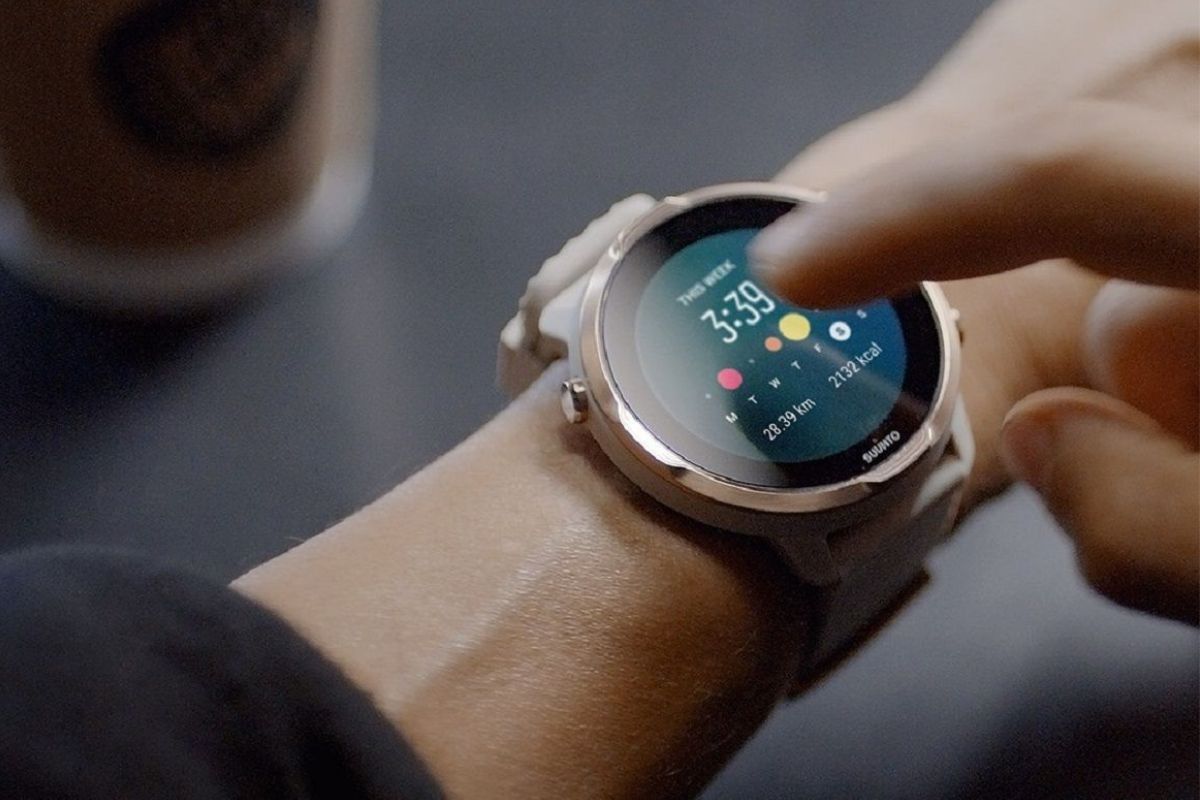
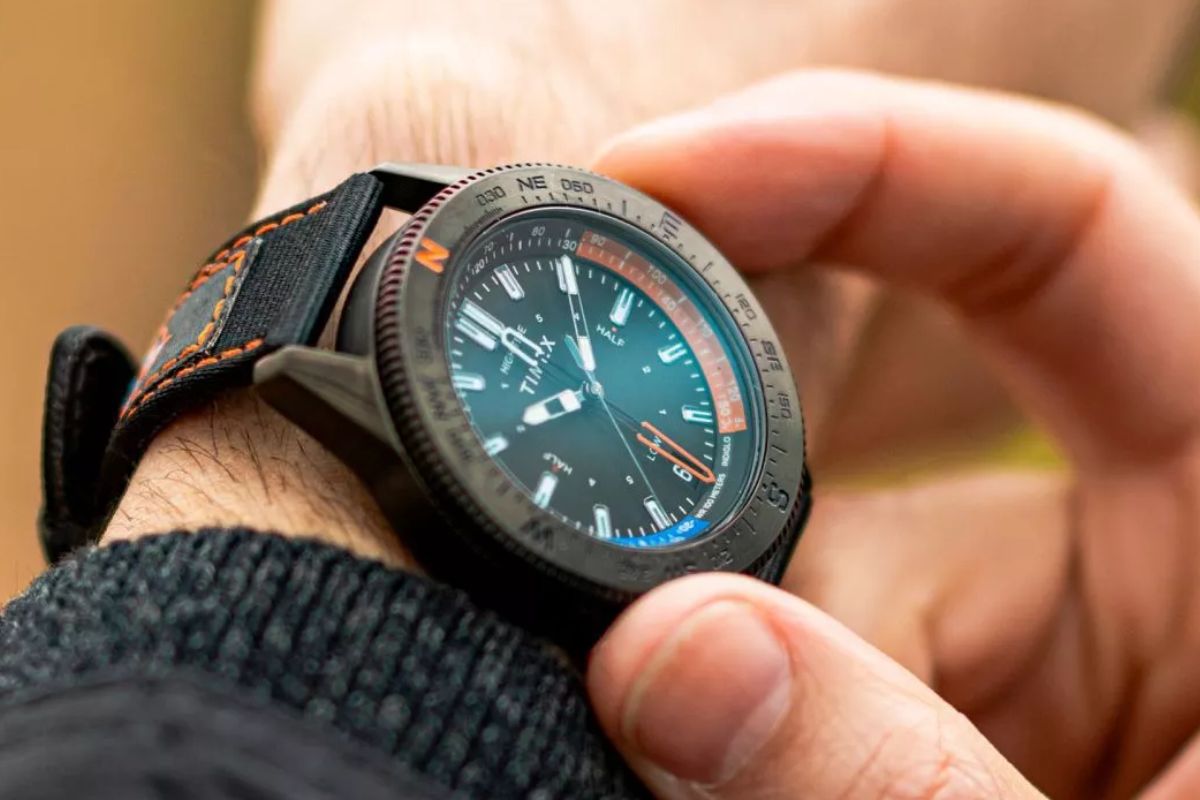
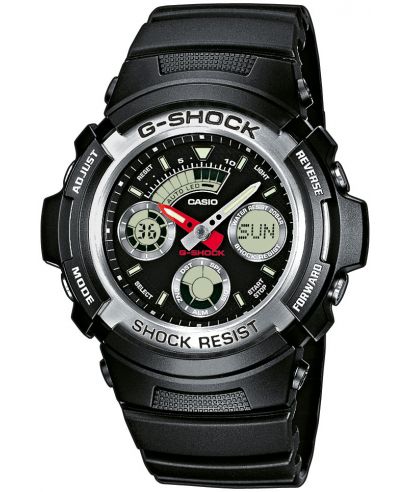
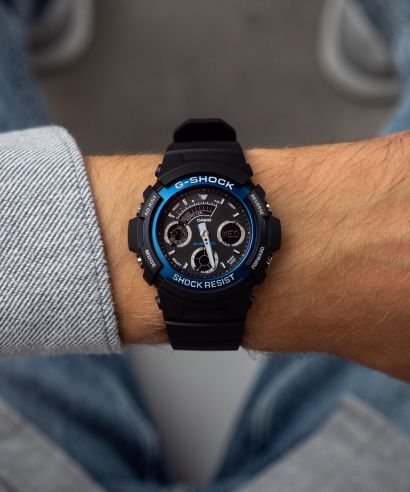
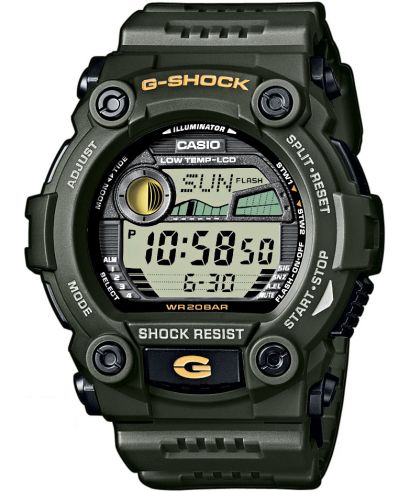
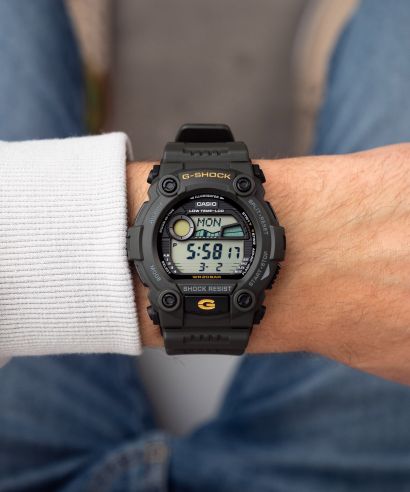
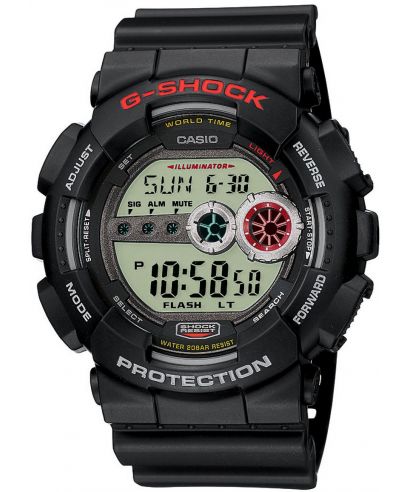
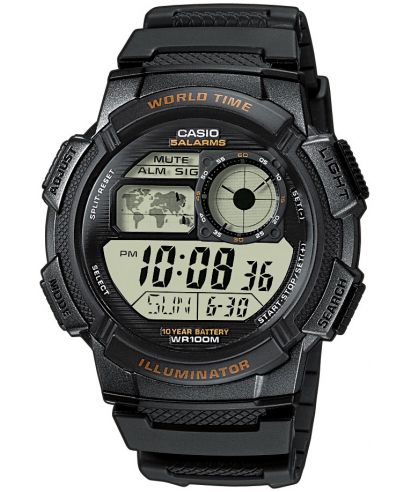
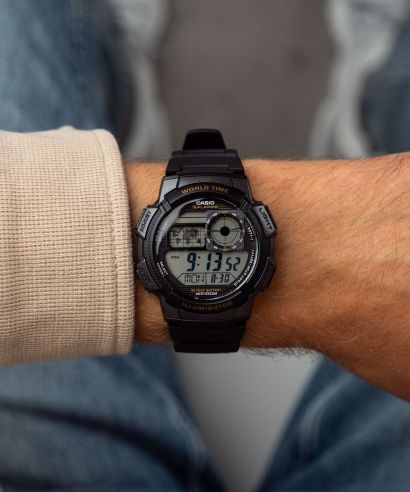
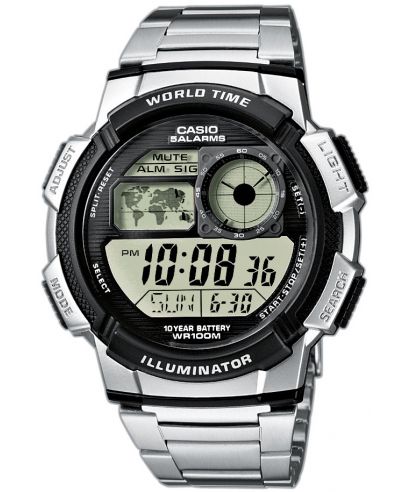
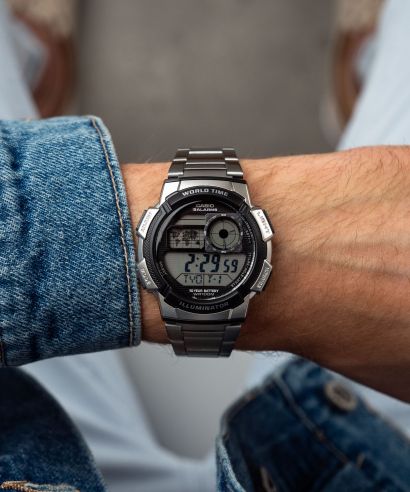
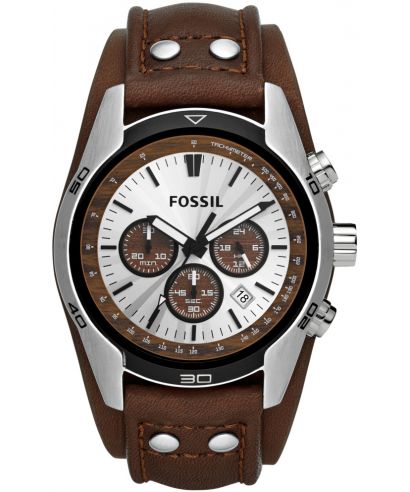
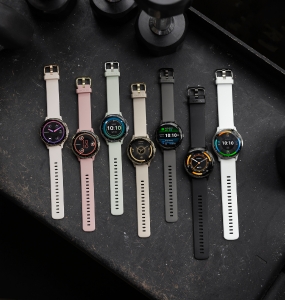
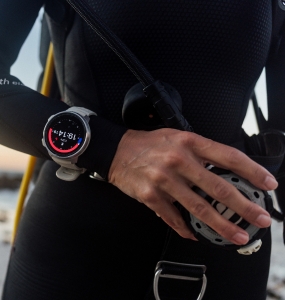
It is typical for digital watches to be equipped with a digital display. A digital watch shows much more than the date and time, as it is equipped with many additional functions such as an alarm setting, stopwatch, timer, thermometer, altimeter and even a digital compass, barometer or sunrise and sunset indicator.
The advantages of digital watches
- High precision time measurement
- High functionality
- Clear digital display that makes it easy to read the exact time
Disadvantages of digital watches
Disadvantages of digital watches can include not having the best aesthetics - for some people, digital watches may be perceived as less elegant and stylish than analogue watches. Shorter battery life may also be a disadvantage - digital watches tend to use more power, necessitating more frequent battery changes or recharging.
Analogue watch versus digital watch
Precision
An analogue watch is characterised by the fact that it indicates the time using mechanical hands, which can provide better precision time indication than a digital watch that uses an electronic display. However, the downside of analogue watches can be the need to regularly wind or set the time, which can affect accuracy. Digital watches, on the other hand, may be more accurate in indicating the time, but may require regular battery changes or recharging. Ultimately, the accuracy of any watch may depend on the quality of manufacture and maintenance.
Aesthetics
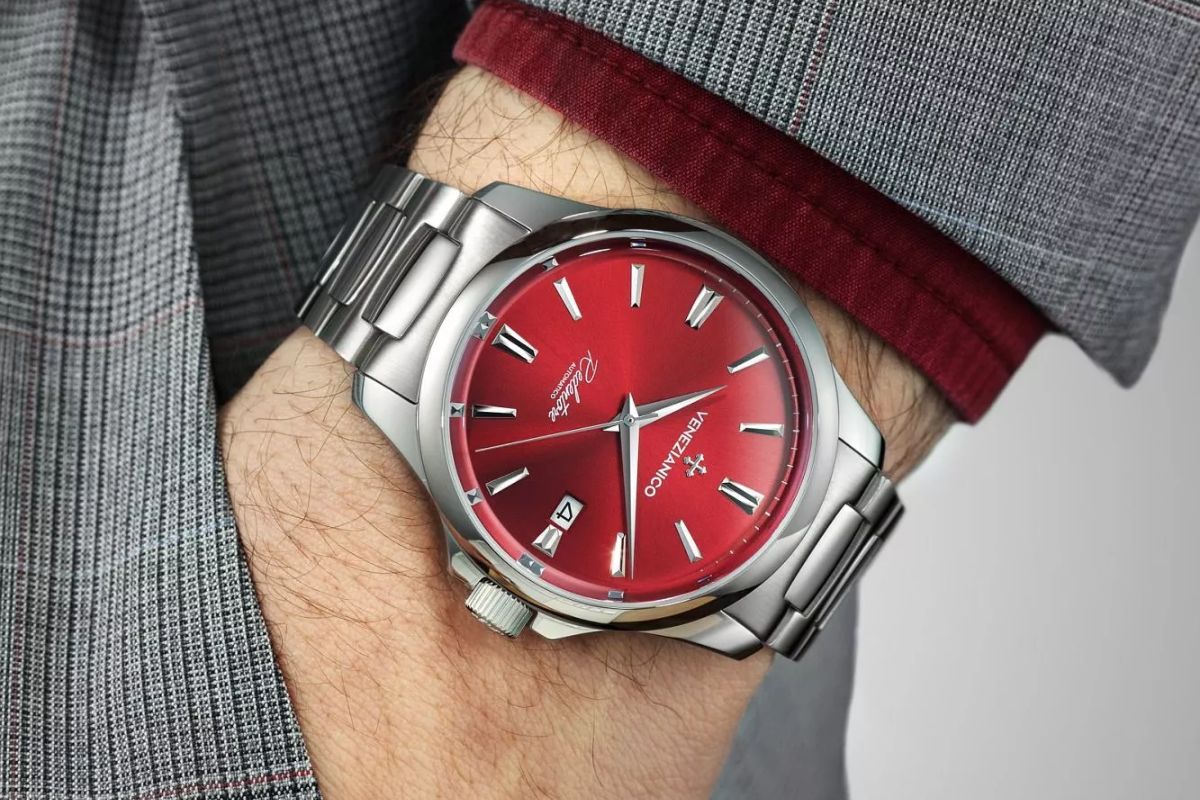
An analogue watch is often more classic and elegant in its design, usually having a traditional dial with Roman/Arabic numerals or classic hour markers. A digital watch, on the other hand, has a modern and dynamic design, usually with a large digital display that shows the time in the form of numbers. Both watches have their own unique aesthetic features and attract different customer tastes.
Which watch to choose: analogue or digital?
Watches have served both a practical and fashion function for centuries. Analogue and digital watches are available on the market, differing in functionality and design. Analogue watches are classic and elegant, while digital watches offer great functionality but can be less aesthetically pleasing. The final choice between the two depends on personal preference and the needs of the wearer.
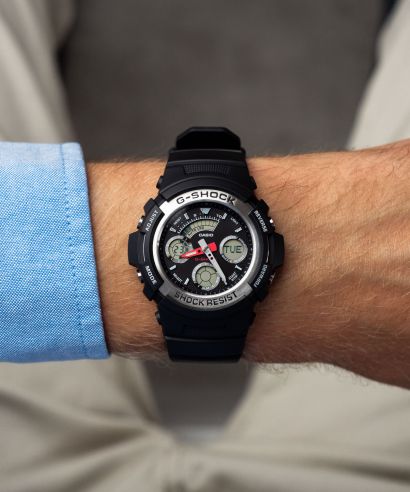
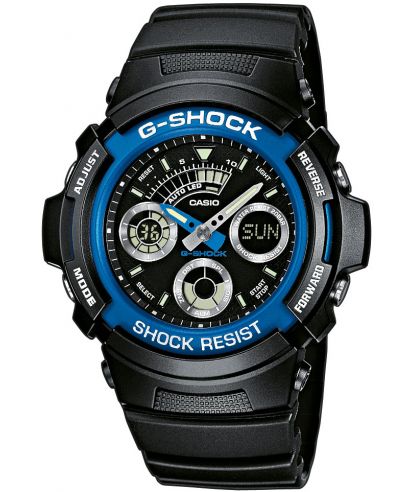
Analogue and digital watches







Sign in
I'm new here
Why is it worth having an account?
Create an account
Why is it worth having an account?
The administrator of your personal data is the owner of the Watchard store, i.e. 57 Concepts Sp. z o.o. Sp. k. with the registered office at al. Witosa 31, lok. 115, 00-710 Warsaw, Poland. Providing personal data by the Customer is voluntary but necessary to complete the purchase. You have the right to view your personal data we have processed, as well as the right to request changes or removal of your personal data. Personal data will be processed for a period of 10 years.
Forgot Password