
Search
Marathon step by step. A complete guide from your first training session to choosing the best watch
Various
Marathon step by step. A complete guide from your first training session to choosing the best watch

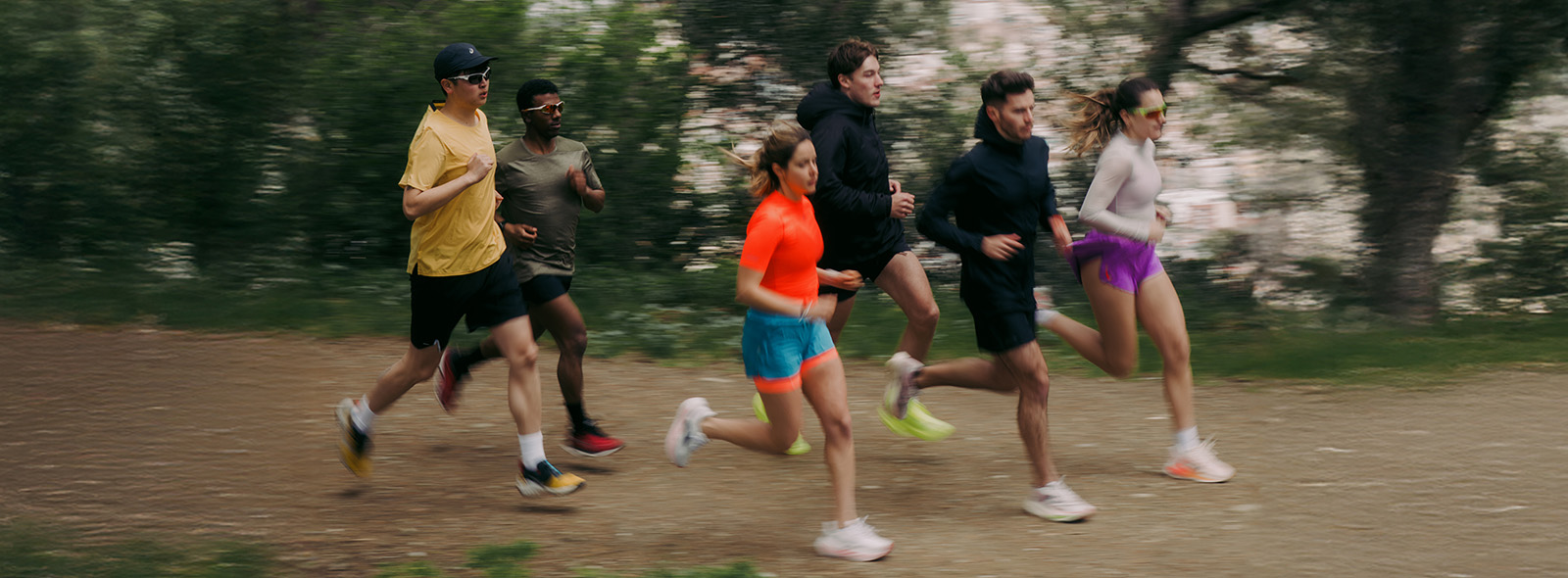
The decision to run your first marathon is the moment when the line between mere hobby and true passion is finally crossed. The distance of 42 kilometres and 195 metres is a challenge that is awe-inspiring even for experienced athletes. It is not only a test of lung capacity and muscle strength, but above all a test of character, patience and planning skills. In order to make the finish line the joyful culmination of your efforts and not a painful memory, the preparation process must be well thought out and staggered. You cannot cheat physiology - a marathon requires humility and regularity, but the reward that awaits the runner after overcoming his or her own weaknesses is worth every litre of sweat poured into training.
Table of contents:
- The foundation of success: training plan and periodisation
- Diet, supplementation and hydration in the marathon cycle
- Mental preparation and choosing the right equipment for a marathon
- Technology on the wrist – how to choose a marathon watch?
- How do you prepare for a marathon? Your road to the finish line
The foundation for success: training plan and periodisation
Preparing for a marathon is a process that should normally take between 16 and 20 weeks, depending on your running experience. A fundamental mistake of novices is to try to catch up in too little time, which almost always ends in injury or overtraining. An effective plan must be based on the principle of progression and periodisation, i.e. dividing training into specific phases.

The first phase is to build an aerobic base. This is a time of steady, long runs designed to 'teach' your body to burn fat efficiently and increase capillary density in your muscles. The next stage is to build running strength and pace endurance. This is where sub-runs, runs with increasing speed and intervals come into the plan. These are what will allow you to maintain your desired pace in the second half of the distance when fatigue starts to take over.

A key element that many forget is so-called "tapering", i.e. a gradual reduction in training volume 2-3 weeks before the start. This is time for the body to fully recover, rebuild glycogen stores and "recharge the batteries". A good training plan is one that also includes rest days. Rest is not the absence of training - it is the time when your muscles become stronger in response to a given stimulus. Without recovery there is no progress, only exploitation.
Diet, supplementation and hydration in a marathon cycle
Your body burns huge amounts of energy during a marathon run, ranging from 2,500 to even 4,000 calories. Therefore, your nutritional strategy is as important as the kilometres run on the tarmac itself. During the preparation period, your diet should be rich in complex carbohydrates (groats, whole-grain pasta, rice), which are the main fuel for your muscles. But don't forget protein, essential for repairing micro-injuries sustained during long training sessions.

An extremely important aspect is the so-called "gut training". Never test new energy gels or isotonic drinks on race day. Every long training run is an opportunity to test how your digestive system reacts to specific products at high effort. You need to know how many grams of carbohydrates per hour you can assimilate without stomach revolutions. The standard intake is between 30 and 60 grams per hour, but professionals train the body to take in up to 90 grams.

Hydration is another pillar. When you lose just 1.5 kg from your weight (for a 75 kg person) due to sweating out water, such dehydration drastically reduces physical and cognitive performance. Remember to replenish electrolytes - sodium, potassium and magnesium. Water alone is not enough, as you flush out mineral salts when you sweat heavily, which can lead to painful cramps and, in extreme cases, dangerous hyponatraemia.
Mental preparation and choosing the right equipment for a marathon
A marathon is run with the legs for the first 30 kilometres and with the head for the last 12. The moment when the athlete hits the 'wall' is usually around kilometre 32, when the glycogen stores in the muscles are depleted. This is when mental preparation plays a key role. Visualisation techniques, dividing the distance into smaller sections and positive internal dialogue are tools to help you survive the crisis.

When it comes to equipment, the most important element is of course the shoes. They should be matched to your foot type and weight. It is worth investing in a model with good cushioning, which will relieve the pressure on your joints during thousands of impacts on asphalt. Remember that the shoes you are competing in should have already been "run in" (at least 50-100 km mileage) to avoid painful blisters and abrasions. Technical clothing should be lightweight, breathable and moisture-wicking. Avoid cotton, which soaks up sweat and causes painful chafing.
It's also worth paying attention to the details: seamless socks, appropriate underwear and, for men, protecting sensitive areas with patches. All this adds up to your comfort, which becomes a priority after three hours of running.
Technology on the wrist – how to choose a watch for a marathon?
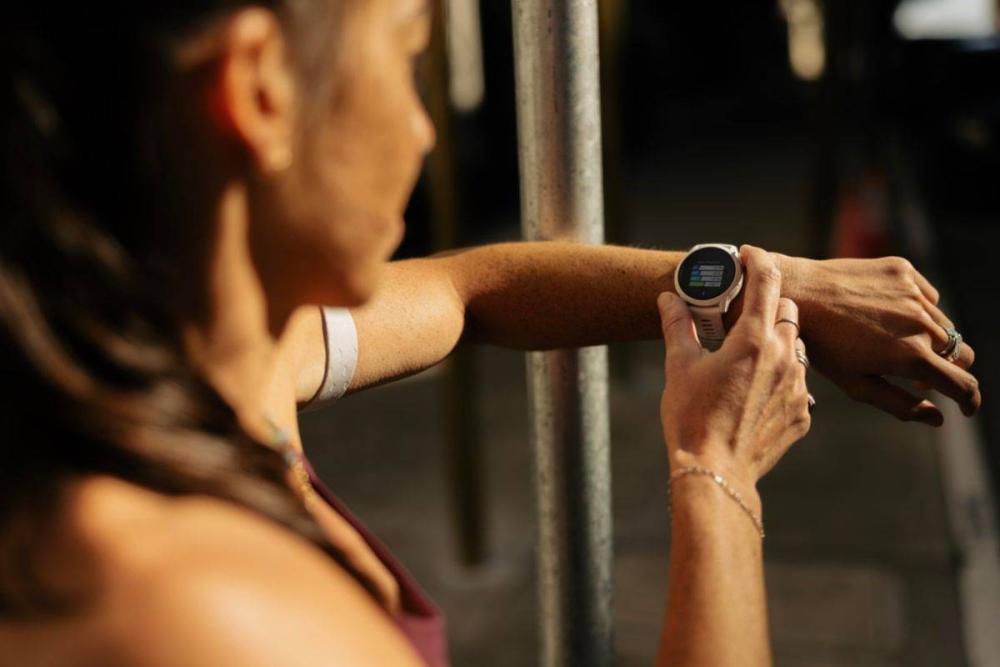
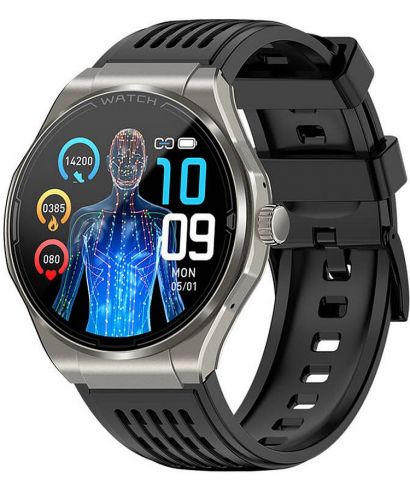
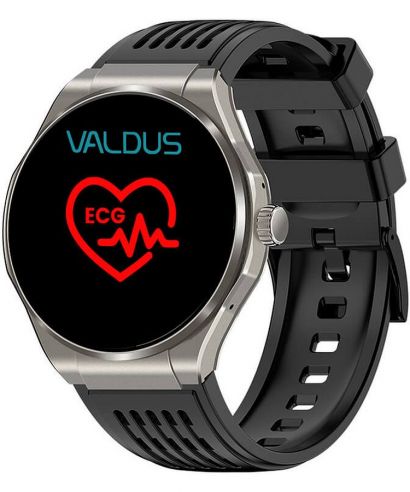
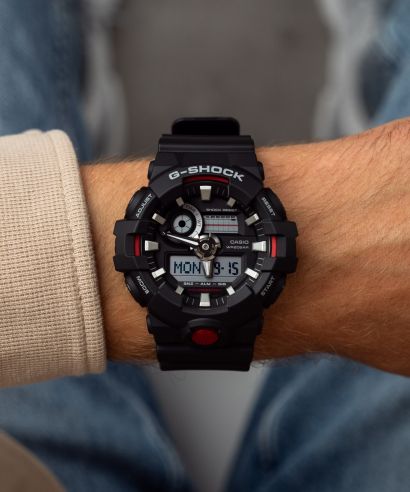
These days, a running watch is more than just a stopwatch. It is your personal trainer, diagnostic lab and navigator in one. When choosing the perfect device for a marathon, you should be guided by a few key parameters. Firstly: battery life with GPS on. Second: GPS accuracy - look for models with support for multiple satellite systems (Multi-GNSS) and dual-band connectivity. Third: analytical features such as heart rate measurement, oxygen ceiling estimation ($VO_{2} max$) and training load monitoring.
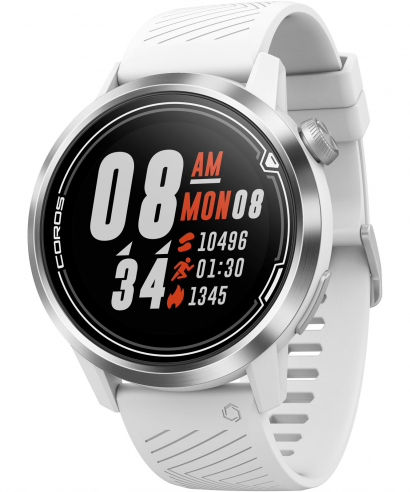
The revolutionary Coros Pace 4
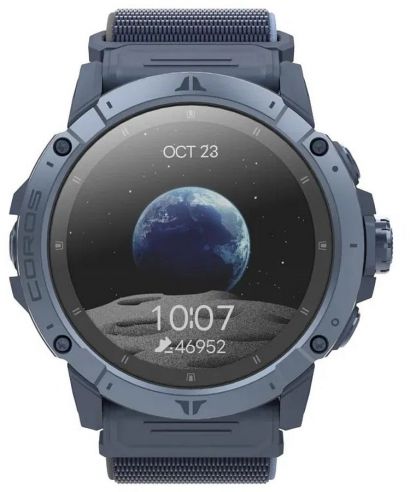
The Pace 4 is a true revolution in the lightweight running watch segment. For the first time in the series, it features an AMOLED screen, while retaining the featherweight device that Coros is famous for . The Pace 4 received a new GPS antenna with even better dual-frequency support and a built-in microphone for voice memos. The Coros EvoLab 2.0 system provides precise analysis of marathon form, suggesting what pace you are capable of maintaining over a particular distance. It is the ideal choice for those looking for top-of-the-range technology in a compact form factor.
The rugged Polar Grit X2 Pro
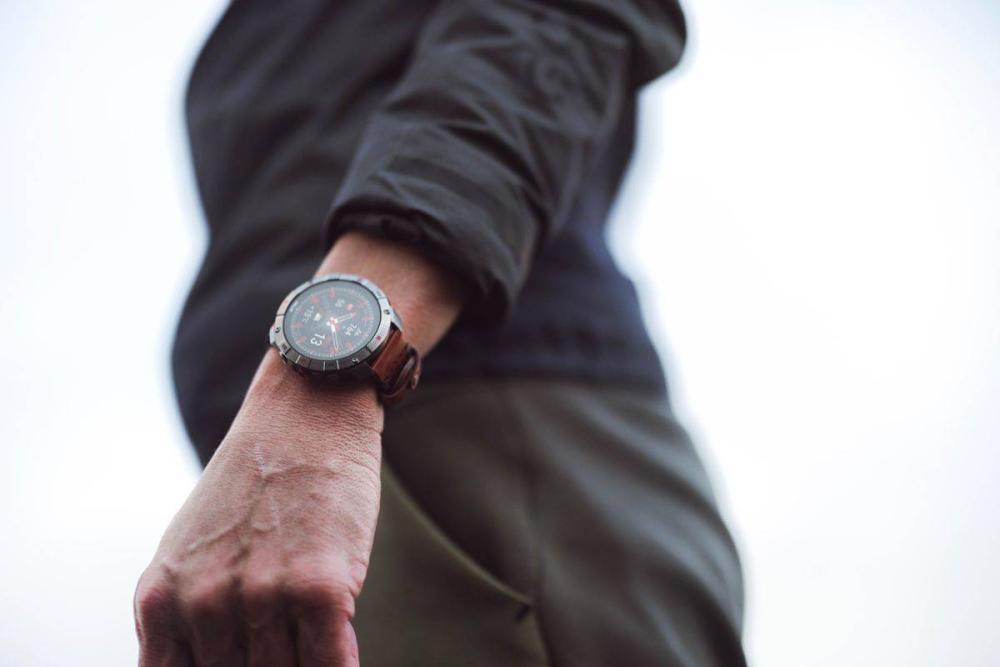
This is for runners who train in tougher conditions and expect the ultimate in ruggedness from a watch. The Polar Grit X2 Pro has a titanium envelope and sapphire glass, but at its heart is Polar Elixir technology. It provides measurement of blood oxygen saturation (SpO2), ECG from the wrist and skin temperature at night. Crucial for the marathon runner is the FuelWise function, which intelligently reminds you to take in carbohydrates and fluids, dynamically adjusting notifications according to your heart rate and running intensity.
How do you prepare for a marathon? Your way to the finish line
Preparing for a marathon is a long and demanding journey that changes a person not only physically but also mentally. Remember that any training plan is just a framework that you need to flexibly adapt to your life. Don't be afraid to let go of a workout when you feel growing pains - runner's wisdom also manifests itself in the ability to rest Use technology to monitor your progress, but don't be dominated by the numbers on your watch screen. Listen to your body, take care of your diet and enjoy every kilometre you run. When you stand on the start line, you'll already be a winner because you'll have the hardest part of the work behind you. The marathon is just a ceremony to receive a medal for your hard work. Good luck on the route!
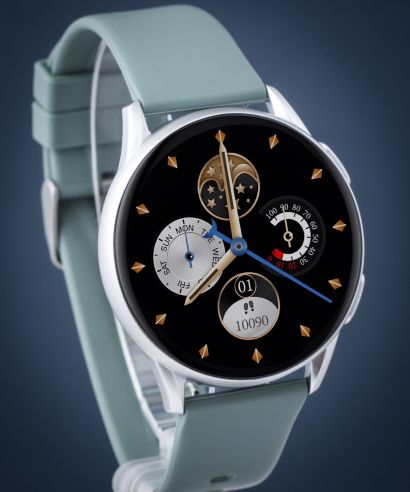
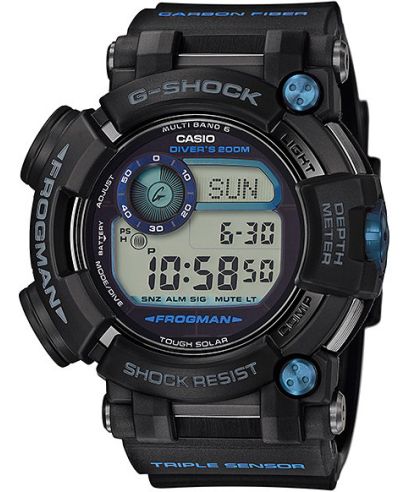
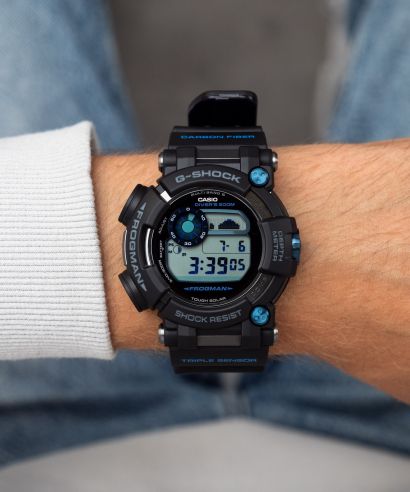
Smartwatches perfect for running!








Sign in
I'm new here
Why is it worth having an account?
Create an account
Why is it worth having an account?
The administrator of your personal data is the owner of the Watchard store, i.e. 57 Concepts Sp. z o.o. Sp. k. with the registered office at al. Witosa 31, lok. 115, 00-710 Warsaw, Poland. Providing personal data by the Customer is voluntary but necessary to complete the purchase. You have the right to view your personal data we have processed, as well as the right to request changes or removal of your personal data. Personal data will be processed for a period of 10 years.
Forgot Password