
Search
Automatic watch and frost - is there anything to fear?
Various
Automatic watch and frost - is there anything to fear?

In winter, many automatic watch wearers start asking themselves the same question: can frost damage the movement? The concern is understandable - after all, we're talking about a precision mechanical design with lubricants, springs and delicate components at work. The good news is that in most everyday situations, an automatic watch can cope with winter much better than you might think.
Contents:
Does an automatic watch work at -10°C?
Yes, most automatic watches function without problems at temperatures of -10°C. What is crucial, however, is the conditions under which the movement actually works. Manufacturers design their watches with everyday use in mind, not laboratory extremes. Frost itself is therefore not the biggest threat - the problem only arises when the watch is left to cool down to ambient temperature for an extended period of time, without the support of body heat.
A watch on the wrist - the best possible place
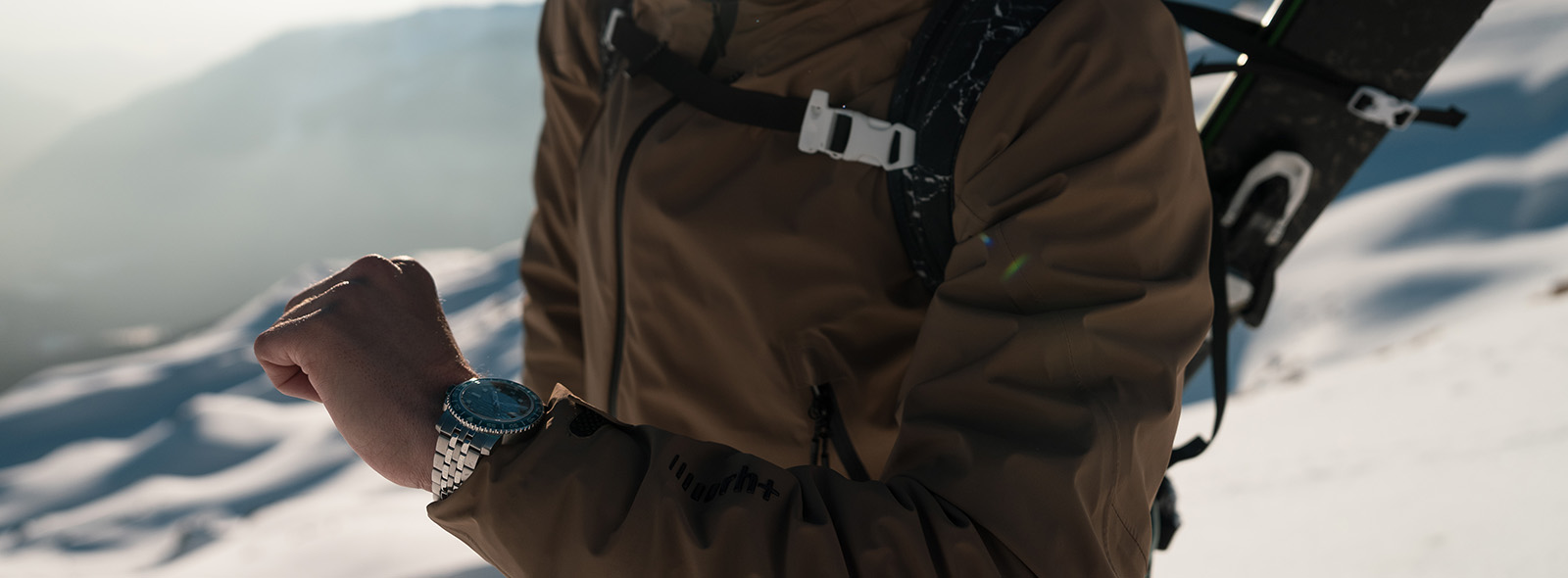
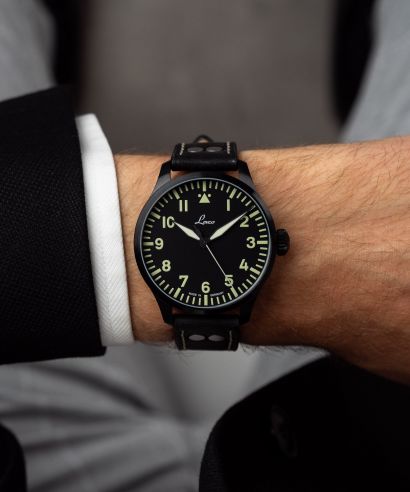
If the watch is on your wrist, the situation looks very favourable. Your body heat (around 36.6°C) warms it from underneath, and the sleeve of your jacket or coat additionally protects it from cold air and wind. In practice, the mechanism then 'feels' a temperature of around 25-30°C. Under such conditions, the lubricants work properly and frost poses no real threat to the watch.
When do problems start?
Problems arise when the watch is removed and exposed directly to low temperatures. This includes situations such as leaving the watch in a cold car, taking it out onto a balcony or storing it in the cold for a long period of time. Then the mechanism takes on the ambient temperature and this can lead to undesirable phenomena.
Grease thickening - the most common problem
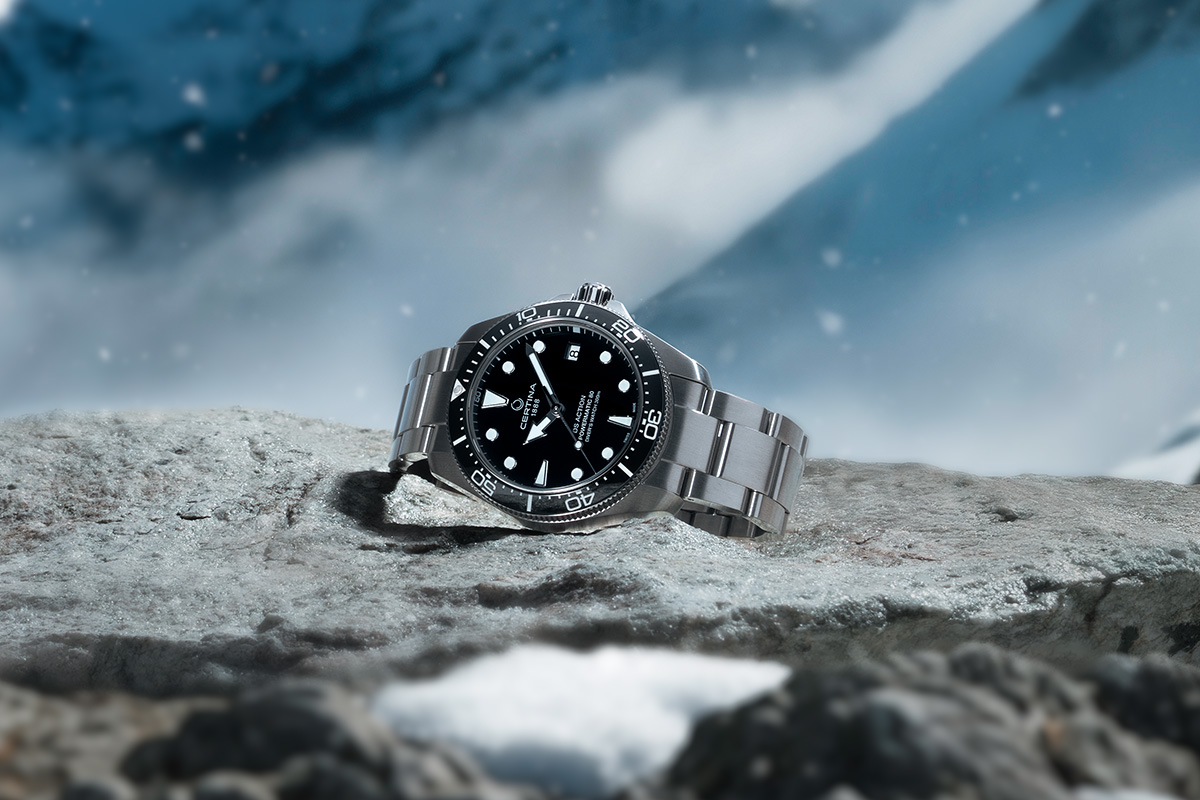
The most typical danger at low temperatures is a change in the viscosity of the lubricants inside the mechanism. Oils used in watches thicken in the cold, which increases friction in the bearings. The result can be a decrease in balance amplitude, lagging of the watch and, in extreme cases, stopping. This mainly affects very cold temperatures and mechanisms with poorer quality lubricants.
Thermal shock and condensation - the greatest enemy of the automatic watch
Much more dangerous than the frost itself is a sudden jump in temperature. If you enter a warm room with a watch cooled to -10°C, condensation can occur inside the envelope. Moisture condensation leads to corrosion of the mechanism and tarnishing of the dial and hands. This is one of the most common sources of winter damage to watches.
Shrinkage of materials and seals
At low temperatures, metals shrink at different rates. This can temporarily affect the clearances in the movement and the operation of the seals, potentially reducing the water resistance of the watch. This phenomenon is usually temporary, but when combined with moisture can lead to problems.
How can you safely use an automatic watch in winter?
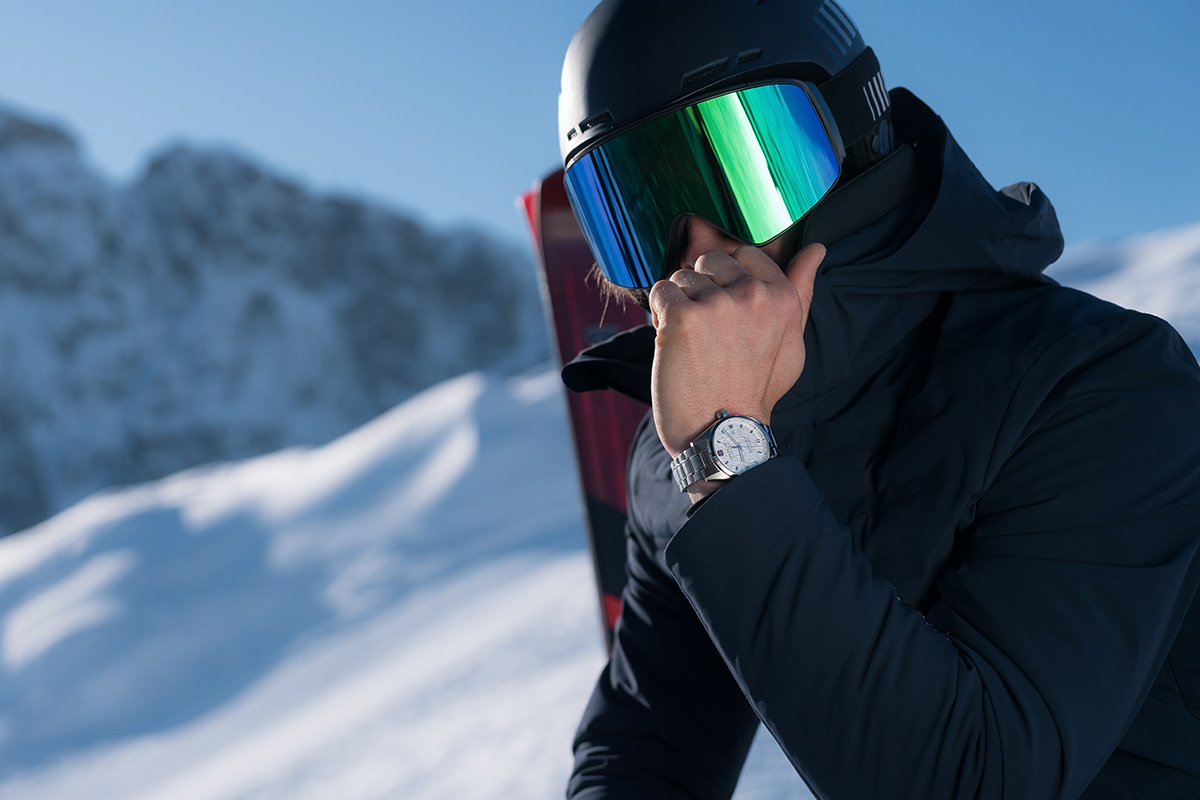
The most important rule is to wear your watch on your wrist. This is the safest and most natural operating environment for it. If your watch gets severely frostbitten, for example during transport or when left in a cold car, do not wind it up straight away and do not try to warm it up rapidly. Allow it to calmly reach room temperature for about an hour. It is also a good idea to avoid taking the watch off for any length of time during severe cold weather.
Automatic watches for extreme conditions
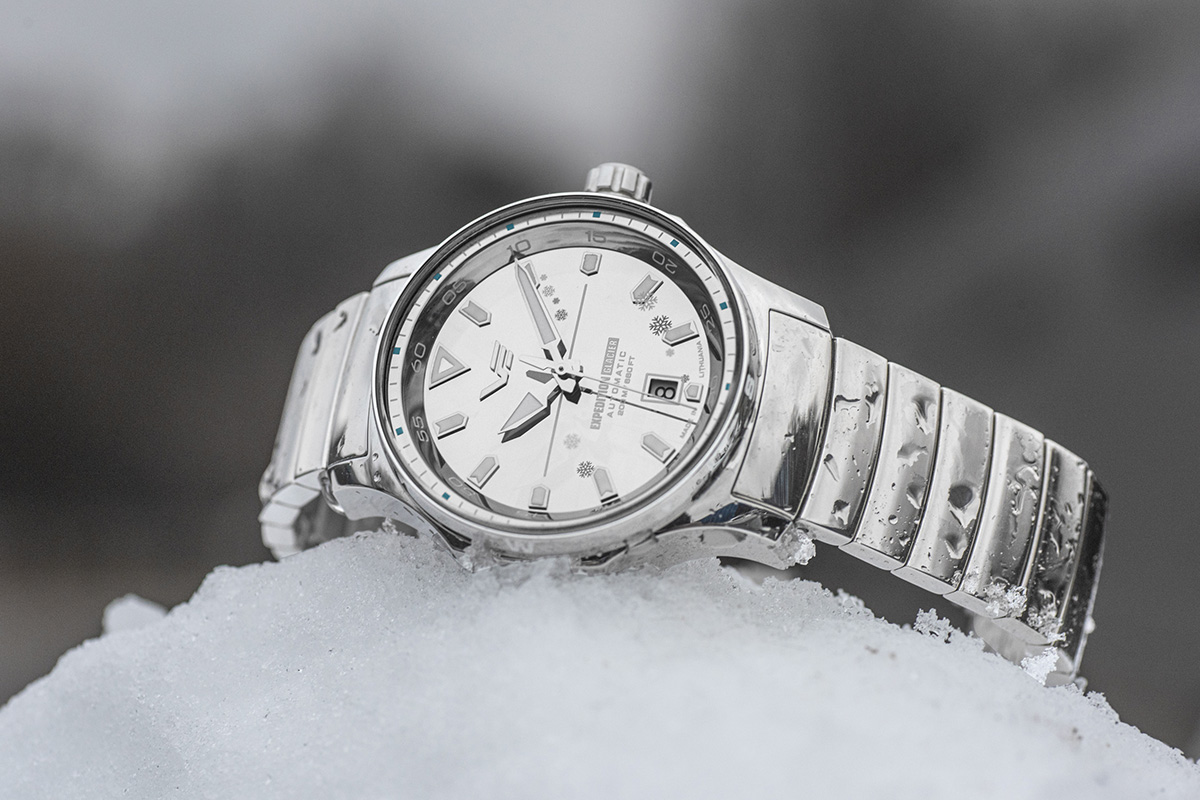
If you are planning expeditions in temperatures below -30°C, it is worth considering models designed specifically for extreme conditions. Such watches use special lubricants and are tested in polar environments. In everyday, urban use, however, this is not necessary - a standard automatic watch, worn as recommended, will cope with winter without the slightest problem.
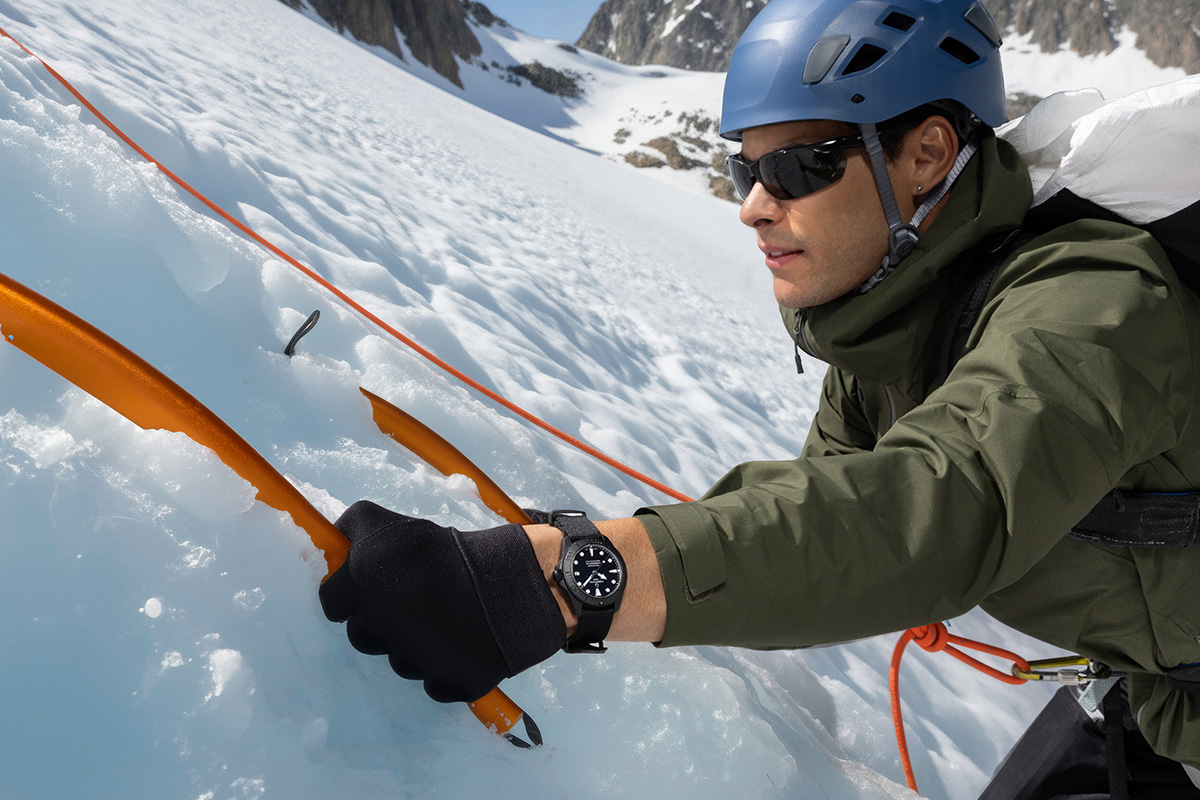
Is an automatic in winter a bad idea?
Of course not. An automatic watch in winter is a safe choice, provided you use it consciously and according to basic principles. When worn on the wrist, it operates in stable, comfortable temperature conditions so that the mechanism remains fully operational. The biggest danger is not the frost itself, but the rapid changes in temperature and the dampness created by the rapid transition from cold to warmth. By following a few simple habits, you can wear your automatic all winter long without fear - including every day.
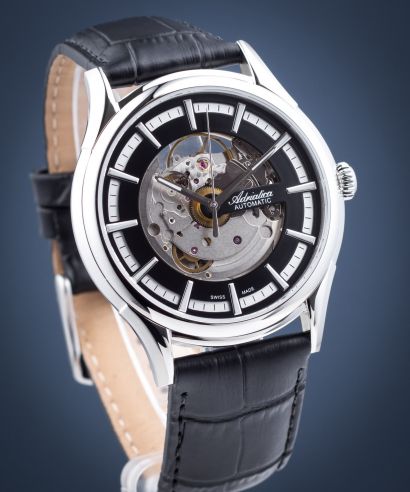
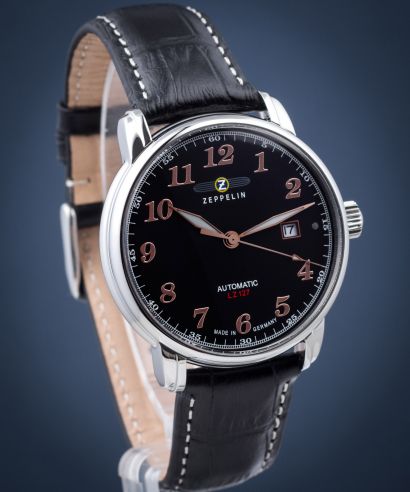
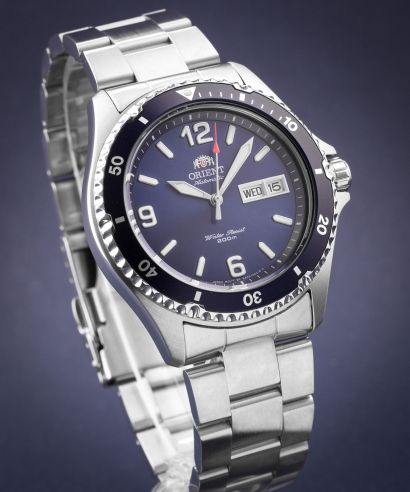
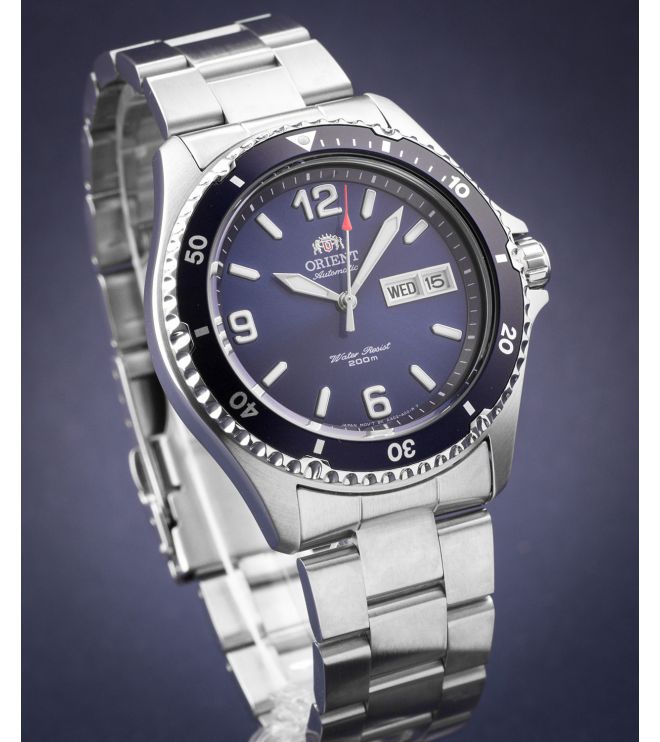
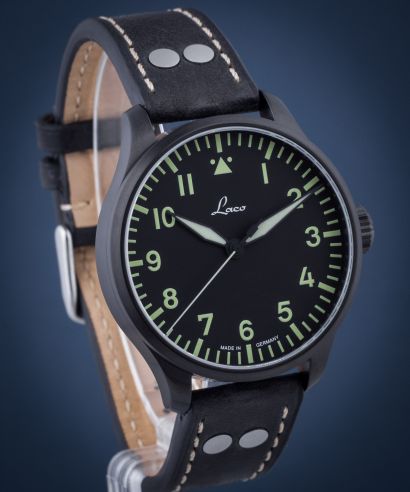
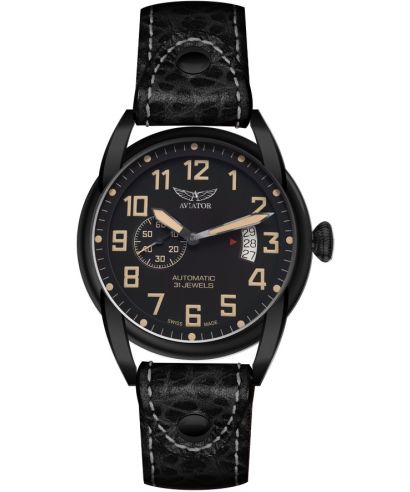
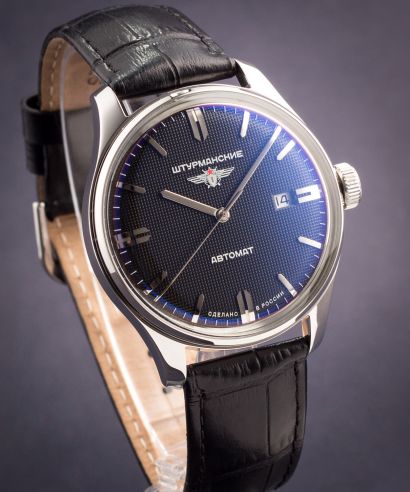
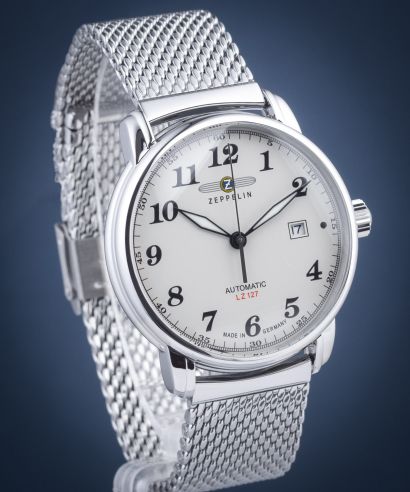
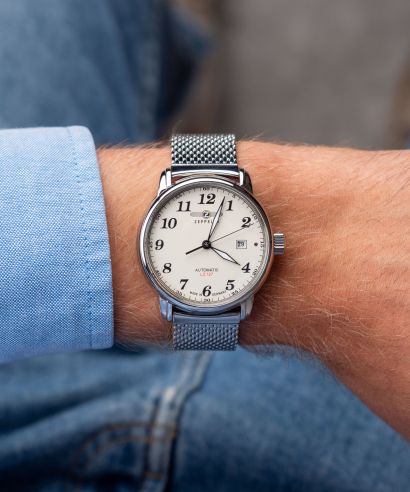
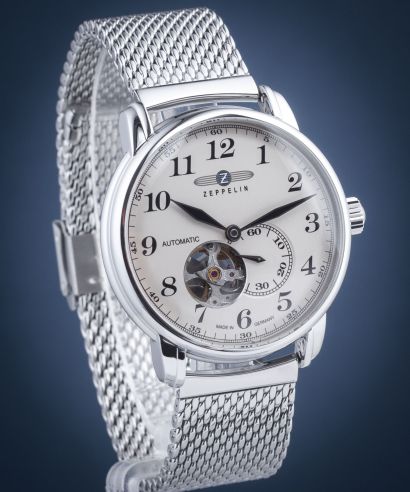
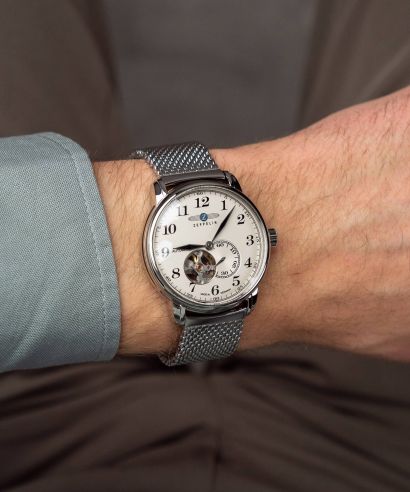
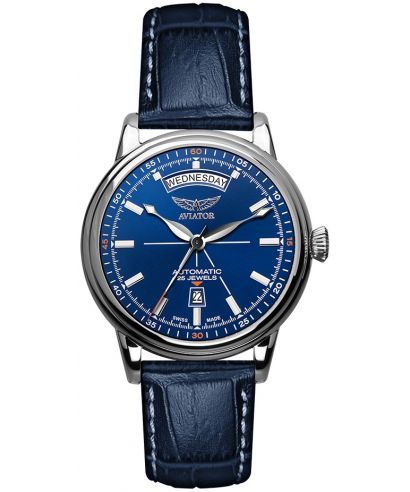
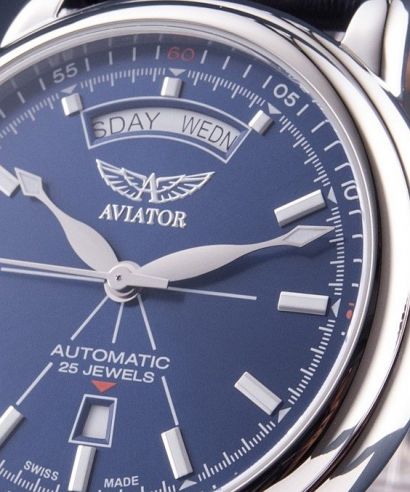
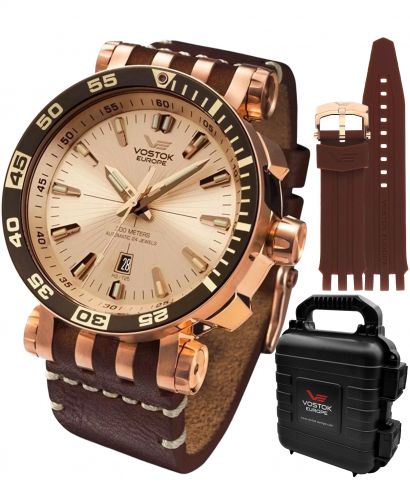
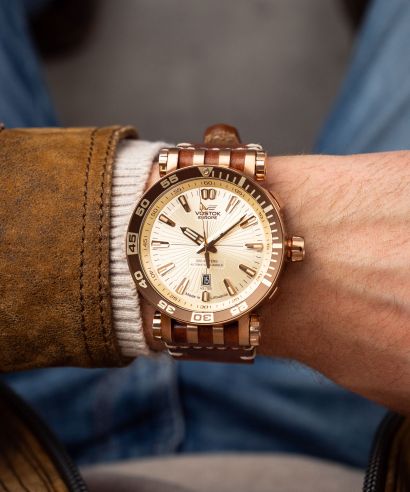
Check out the available automatic watches!
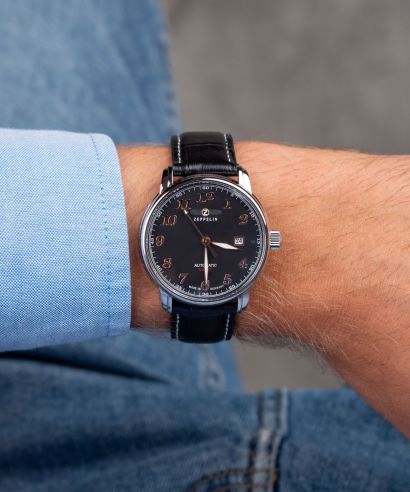

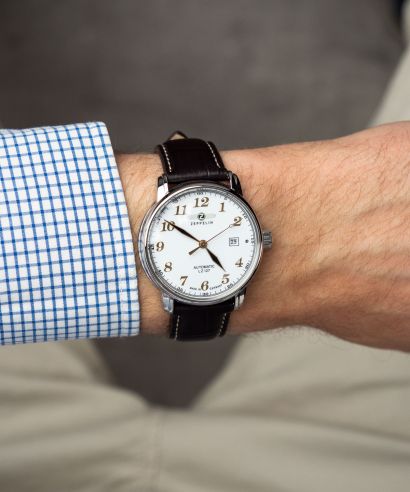
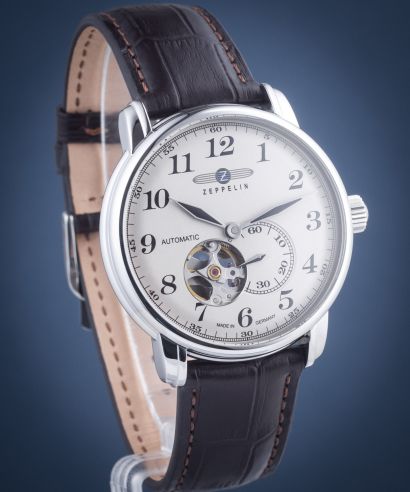
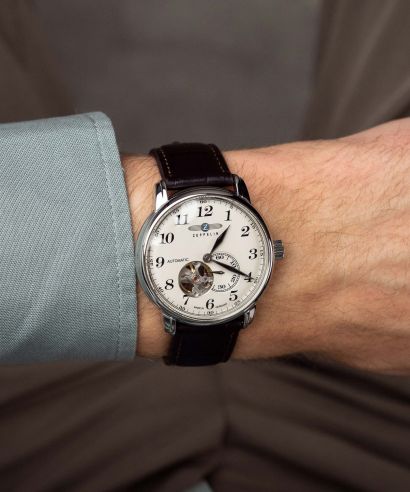




Sign in
I'm new here
Why is it worth having an account?
Create an account
Why is it worth having an account?
The administrator of your personal data is the owner of the Watchard store, i.e. 57 Concepts Sp. z o.o. Sp. k. with the registered office at al. Witosa 31, lok. 115, 00-710 Warsaw, Poland. Providing personal data by the Customer is voluntary but necessary to complete the purchase. You have the right to view your personal data we have processed, as well as the right to request changes or removal of your personal data. Personal data will be processed for a period of 10 years.
Forgot Password