
Search
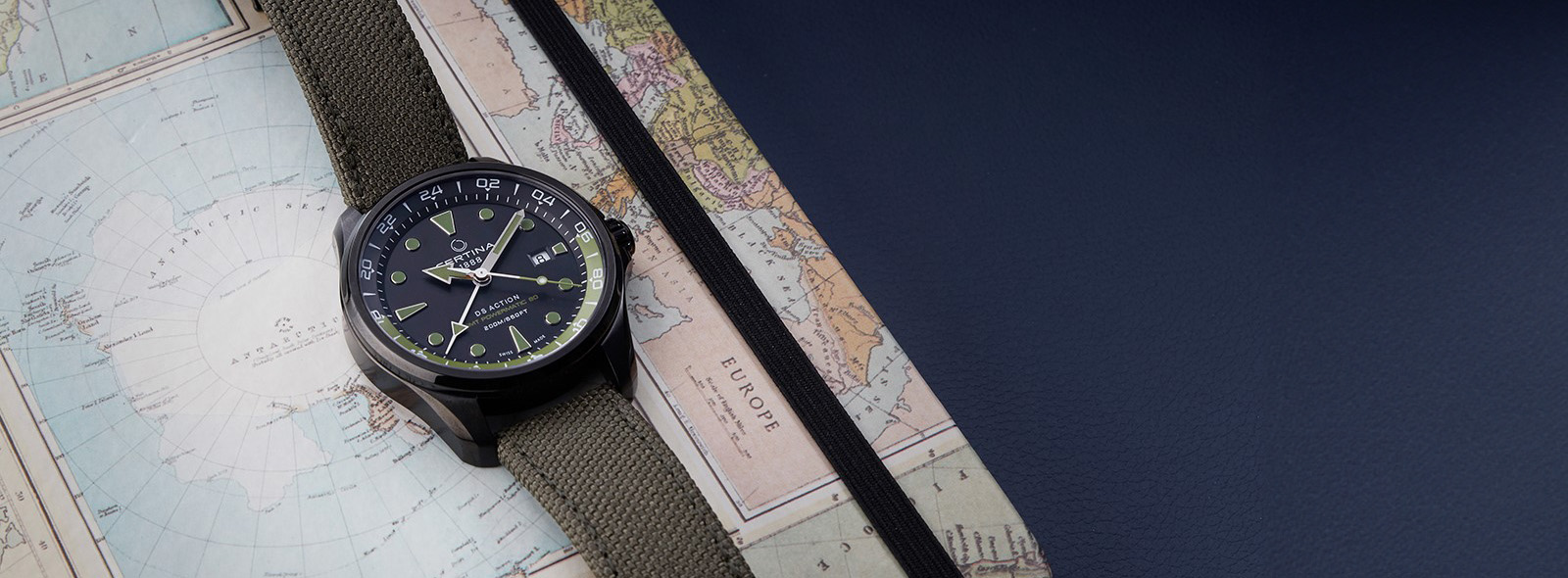
World time zones – what time is it?
Various
World time zones – what time is it?

As it's widely known, the movement of the hands of a watch varies considerably in different parts of our planet. Day and night happen because the Earth rotates, and we all follow a specific time due to this rotation. Time zones are common today, but surprisingly, they've only been around since the late 1800s.
Table of contents:
What are time zones and why are they so important?
A time zone is a designated region on Earth where a consistent time is universally observed. The allocation of specific times to different areas is influenced by geographical factors. So, how does this translate into our daily lives? In practical terms, all locations along the same meridian share the same local time. Every change in our location prompts a subsequent adjustment in time. Even if the chosen destination is just a bit further east or west, time zones play a crucial role in helping us acclimate to the local time of our destination.

The division of time zones
The division of time zones is a result of the need for standardised time measurement across extensive geographical expanses. It's crucial to note that the genesis of time zones is intricately tied to several historical developments, with a significant one being the proliferation of railway networks. Prior to the adoption of time zones, communities operated based on local solar time. However, this led to considerable confusion, particularly as divergent time practices impeded the seamless coordination of arrivals and departures. At present, the time zone depends on the Greenwich meridian, which serves as the reference point for establishing each region's time zone.
The impact of time zones on the world
Ever wondered about the impact of time zones on the world and whether we could function without them? We've got the answers! The practice of time zones is indispensable in numerous fields. They play a key role in travel plans, daily activities, meetings and social interactions. The awareness of time differences is crucial for maintaining connections with family, friends, and colleagues across different locations. While technology has made the world more connected, it has also highlighted some challenges. Scheduling calls or video chats often involves finding a middle ground or making sacrifices, like staying up late or waking up early.

New York or Tokyo? What time is it now?
Wondering how to read or calculate the time in a different place? There is a way to do it. You just need to remember a few simple rules. If travelling to the west, the hands of your watch need to go backwards. If heading east, they need to speed up a little. Of course, you will also need to know what time zone the country is in. Want to make it even easier? You can use online time zone monitoring tools, world clocks or mobile apps that provide the current local time in different locations.

GMT – what does it mean?
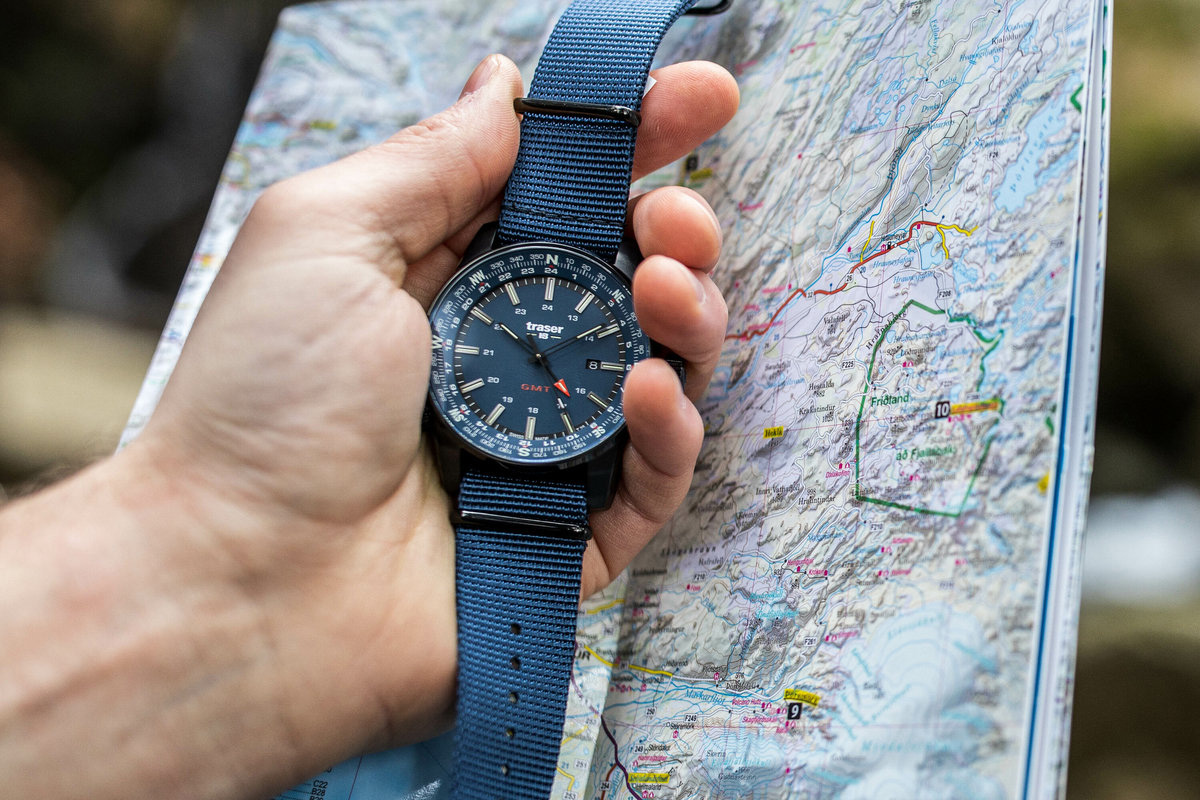
GMT stands for Greenwich Mean Time. It's the time at the Prime Meridian (0 degrees longitude) and is used as the baseline from which other time zones are measured. GMT does not observe daylight saving time, so it remains constant throughout the year. Many time zones are expressed as an offset from GMT, for example, GMT+1 or GMT-5, indicating that the local time is ahead or behind GMT by a certain number of hours.

Time zones are crucial today
In summary, time zones are regions of the Earth that have the same standard time. The primary purpose of time zones is to ensure that time is more or less consistent across different regions. The division of time zones is crucial for global communication, planning and ensuring that people around the world can effectively coordinate their activities despite vast geographical distances. Time zones help maintain a sense of order in a world where time is always on the move.
Interesting facts about world time zones
Time zones are a fascinating aspect of our global timekeeping system and there are many interesting facts associated with them.
- 1. Some countries, i.e. China, India or Argentina, ignore time zones. This creates a huge amount of confusion as the western and eastern ends of China are separated by as much as 4 hours.
- 2. The International Date Line is not actually a straight line; it zigzags around islands and territories so that it is not two different days in the same place.
- 3. Some regions and countries have abolished daylight saving time, choosing to remain in standard time throughout the year. For example, Arizona in the United States does not observe daylight saving time.
- 4. There isn't a specific time zone in international waters. Ships and aircraft at sea often use Coordinated Universal Time (UTC) for navigation and timekeeping to avoid confusion.

























Sign in
I'm new here
Why is it worth having an account?
Create an account
Why is it worth having an account?
The administrator of your personal data is the owner of the Watchard store, i.e. 57 Concepts Sp. z o.o. Sp. k. with the registered office at al. Witosa 31, lok. 115, 00-710 Warsaw, Poland. Providing personal data by the Customer is voluntary but necessary to complete the purchase. You have the right to view your personal data we have processed, as well as the right to request changes or removal of your personal data. Personal data will be processed for a period of 10 years.
Forgot Password